


NAIROBI, Kenya – Mzalendo Trust has launched a five-year strategic plan to ensure parliaments across the continent are more open, inclusive and accountable.
The new plan comes at a crucial time in Kenya, which faces growing public expectations for accountable institutions and responsible management of public resources.
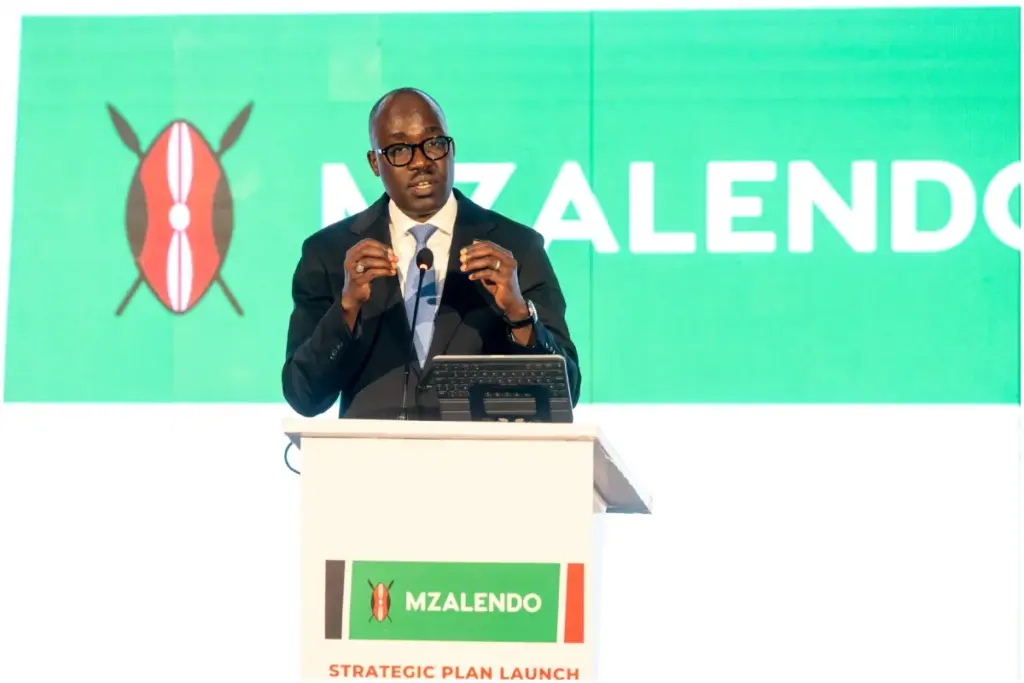
Speaking during the official launch of the plan in Nairobi on Tuesday, November 24, Principal Secretary, State Department for Foreign Affairs, Ministry, Dr Korir Sing’oei emphasised that Kenyans continue to demand greater openness in governance, responsible management of public resources and more responsive institutions.
“Parliamentary openness is an essential part of open government where Citizens need to understand not only what government is doing but also how laws are developed, how public resources are utilised and how elected representatives exercise their constitutional responsibilities,” said Sing’oei.
Dr. Sing’oei urged Government institutions to remain accountable for their decisions and constitutional responsibilities, adding that Parliament must exercise its legislative and oversight functions.
The Five-Year Strategic Plan, covering 2026–2030, will enable citizens in any county to learn what Parliament is considering, understand how decisions may affect them, contribute views where opportunities exist, and follow the actions of their elected representatives.
Mzalendo Trust strategic plan pillars
Mzalendo Trust Chair and Co-Founder Ory Okolloh noted that the new road map is organised around three strategic pillars, responding to Kenya’s changing political environment by deepening the connection between legislative openness, meaningful public participation and institutional accountability.
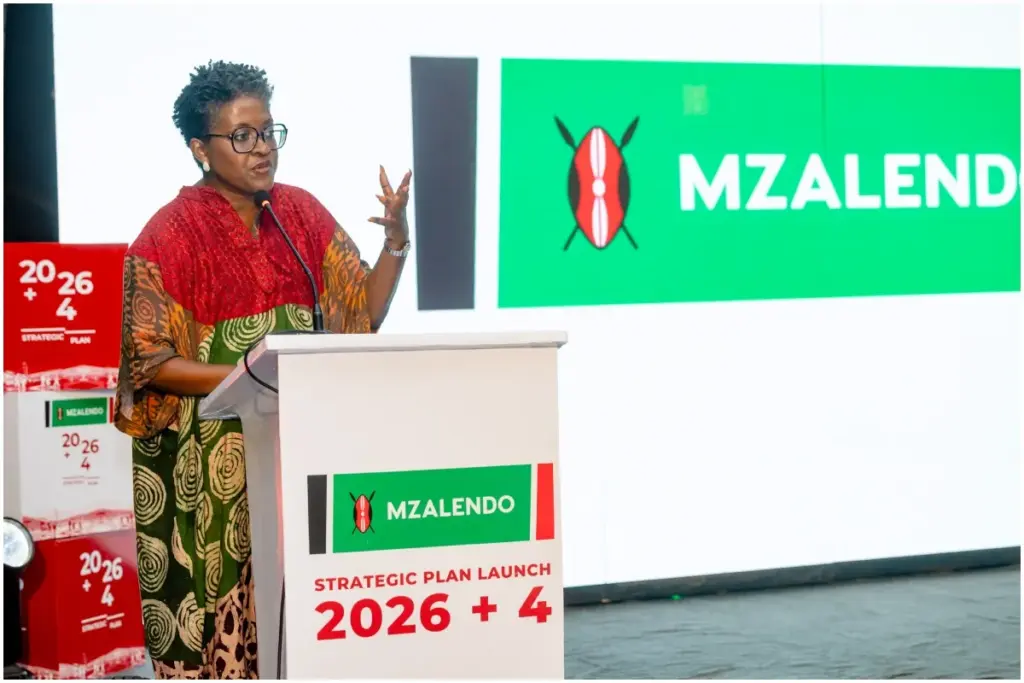
The first pillar, Promotion and Monitoring of Legislative Openness, seeks to strengthen the credibility, accessibility, and use of legislative information through independent parliamentary monitoring, research, responsible digital innovation, and institutional collaboration.
The second pillar, Promoting inclusive Parliaments and Political Processes, addresses barriers to meaningful participation and representation, particularly for women, young people, persons with disabilities and historically marginalised communities.
The third pillar, Promoting Civic Engagement, Scrutiny and Accountability of Parliament, will support informed and sustained public engagement, citizen oversight, scrutiny of parliamentary decisions and follow-through on public commitments.
“When Mzalendo Trust began in 2005, the conviction was simple. Citizens can only hold their representatives accountable when they can see and understand what those representatives do. Twenty years on, our responsibility now is to build on this trust and ensure that the information and knowledge we produce leads to stronger participation, more inclusive representation and demonstrable accountability,” said Okolloh.
Caroline Gaita, Executive Director, Mzalendo Trust, noted that through the new plans, the organisation will continue to monitor Parliament and produce credible legislative information and intelligence.
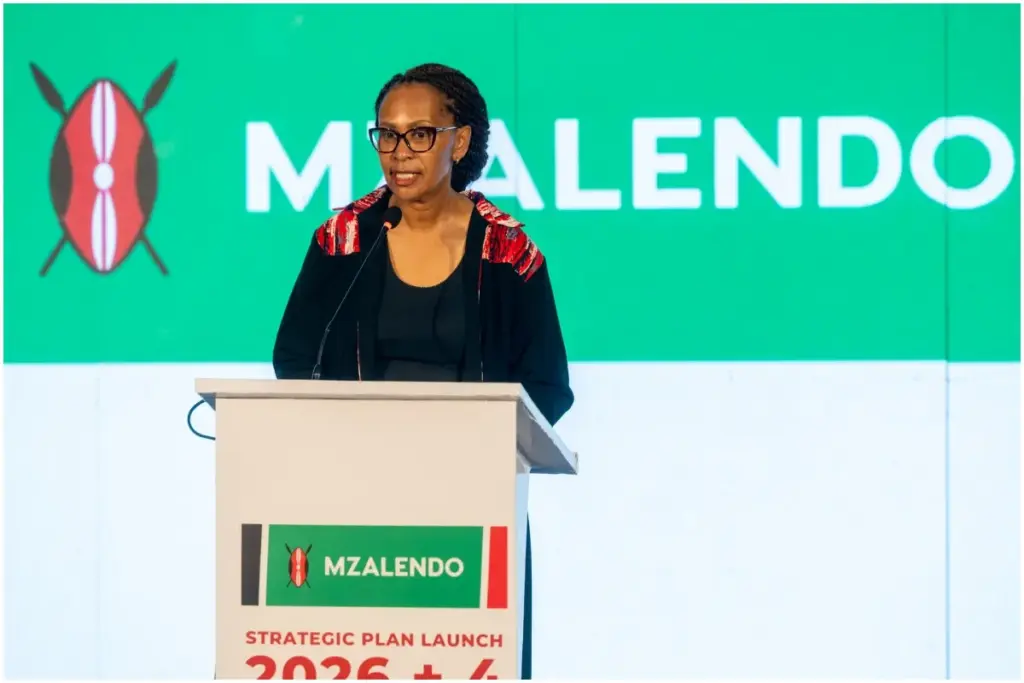
“Today, the constitution obligates Parliament to work in the open and to let people in. The legal architecture of participation is built, but we know this has not been sufficient. This Plan asks us to be more deliberate about the difference our work makes. We will place greater emphasis on whether that information is used, whether participation is meaningful, and whether our work contributes to more open, inclusive and accountable legislatures,” said Gaita.
Dorothy Jemator, Vice-Chairperson and Commissioner of the Commission on Administrative Justice, highlighted the need to move beyond identifying existing gaps and focus on practical measures that enable Kenyans to exercise their right to information.
“We must go beyond assessing access to public information and take practical steps to ensure that Kenyans can access and use it. This includes advocating for the timely publication of Bills, committee notices, reports and other parliamentary records, while strengthening public awareness of the right to information and how to exercise it. Additionally, we must also ensure that people facing barriers related to disability, language and geographical location are not left behind,” said Jemator.






Discussion about this post