


Dodoma, Tanzania – The European Union (EU) has expressed deep concern over Tanzania’s October 29 presidential elections.
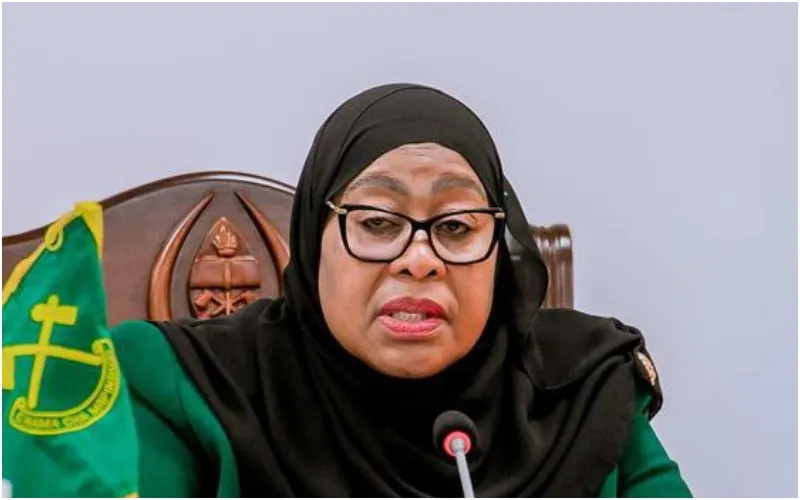
The EU cited widespread reports of violence, irregularities, and restrictions on civic freedoms, even as President Samia Suluhu Hassan was sworn in for a new term.
In a statement released in Brussels, the EU said it had “taken note” of the official results announced by the Independent National Electoral Commission (INEC) and the Zanzibar Electoral Commission, but expressed alarm over the conduct of the polls.
The bloc highlighted “reliable reports of a large number of fatalities and significant injuries” during election day and its aftermath, urging Tanzanian authorities to “exercise maximum restraint to preserve human lives.”
The EU also criticised what it described as a lack of a “level playing field” in the lead-up to the vote, pointing to “abductions, disappearances, and violence limiting the civic and democratic space.”
The union called for the immediate release of detained opposition figures and transparent investigations into all reported abuses.
The statement comes as Suluhu, Tanzania’s first female president, took the oath of office in Dodoma under heavy security and a partial internet blackout.
Various leaders, including Kenya’s Deputy President Kithure Kindiki, attended the swearing-in ceremony on Monday, 3 October.
Suluhu’s swearing-in followed days of protests and allegations of vote rigging by opposition parties, who claimed intimidation of polling agents and suppression of dissent.
International observers, including the United Nations, have also warned of escalating tensions, urging calm and dialogue between the government and the opposition.
Despite its criticism, the EU reaffirmed its commitment to Tanzania as a “long-standing partner” under the EU–OACPS Samoa Agreement, calling for renewed efforts towards “a fully-fledged multi-party system” and inclusive political dialogue with civil society.
As celebrations and protests continued in different parts of the country, the EU’s warning underscored growing international unease about Tanzania’s democratic trajectory under Suluhu’s renewed leadership.










Discussion about this post