


NAIROBI, Kenya – Due to hefty taxes, levies, and a weak shilling, fuel prices in Kenya are among the highest in East Africa as of April 2026, with petrol and diesel costing more than KSh 206 per litre.
Although Kenya’s prices are higher than those of its neighbours, such as Uganda, Tanzania, and Rwanda, they are comparable to those of several other African countries, albeit much more than in heavily subsidised markets.
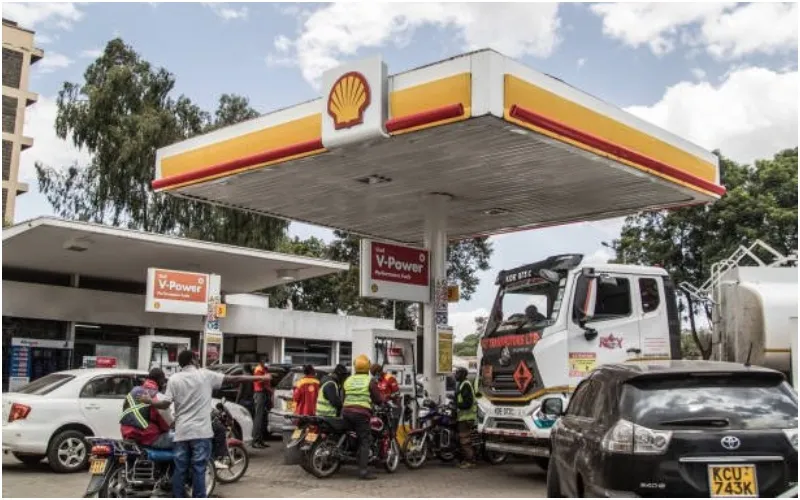
In Uganda, 1 litre of petrol is retailing at KSh 185, while diesel costs KSh 178. In Tanzania, the same commodity costs KSh 191, while diesel is KSh 190 per litre.
In Rwanda, 1 litre of petrol retails at KSh 185, and diesel at KSh 177. In Burundi, 1 litre of petrol costs KSh 145, while the same commodity for diesel is KSh 142.
This, even as Matatu Owners Association chairman Albert Karakacha announced a hike in bus fares from today, Wednesday, April 15, 2026, following the increase in super petrol and diesel prices announced by the Energy and Petroleum Regulatory Authority (EPRA).
“We have been consulting with our members, and we shall be pushing the bus fares up starting from tomorrow. We normally use diesel, and as you can see, diesel has gone up by KSh 40,” said Karakacha.
Why Kenyans should brace for tough times ahead
According to Karakacha, if you try to match what members of the association have been spending, it is around KSh 206.
“So, from tomorrow, our members will be adjusting the bus fares to go up. We know that the common mwananchi is the one who is going to suffer because they are the consumers. They are the ones we normally carry, and so, they are the ones who are going to suffer,” lamented Karakacha.
Already, the Kenya Transporters Association (KTA) has sharply reacted to the increase in prices of petrol and diesel for the April to May 2026 cycle.
This is after EPRA announced the new fuel prices, putting an end to weeks of anticipation.
The maximum permitted petroleum pump rates for Super Petrol and Diesel have been raised by KSh 28.69 and KSh 40.30 per litre, respectively, in its most recent fuel review, which was published on Tuesday, April 14, 2026. The price of kerosene has not altered.
“We wish to inform members of today’s significant increase in diesel prices, which have risen by KSh 40 per litre, from KSh 163 to KSh 203 per litre, representing an increase of approximately 24.5%,” a statement from KTA reads in part.
In the statement signed by Newton Wang’oo, chairman, Kenya Transporters Association, on behalf of the board, members were reminded that fuel constitutes the single largest cost component in road freight transport, accounting for approximately 55% of total operating costs.
“In terms of cost impact calculations, transport cost increase (fuel cost share) is 24.5% of 55% = 13.5% (approximately),” added Wang’oo.
Transporters advised to review their cost structures
Wang’oo said that this translates to an estimated 13-14% increase in overall transport operating costs.
“Members are advised that such a substantial rise in input costs cannot be absorbed sustainably. It is therefore necessary for all members to immediately review their cost structures and adjust transport rates accordingly to reflect the new cost realities,” Wang’oo further said.
Members were further encouraged to engage their customers and contractual partners promptly and clearly communicate the basis for these adjustments to ensure transparency and continuity of service.
“The Kenya Transporters Association will continue to monitor developments in fuel pricing and remains committed to safeguarding the interests of transporters across Kenya and the wider region,” Wang’oo explained.











Discussion about this post