


Dairy and beef farmers across most Southern and Eastern African countries, including Kenya, are counting losses due to the prevalence of Foot and Mouth Disease (FMD).
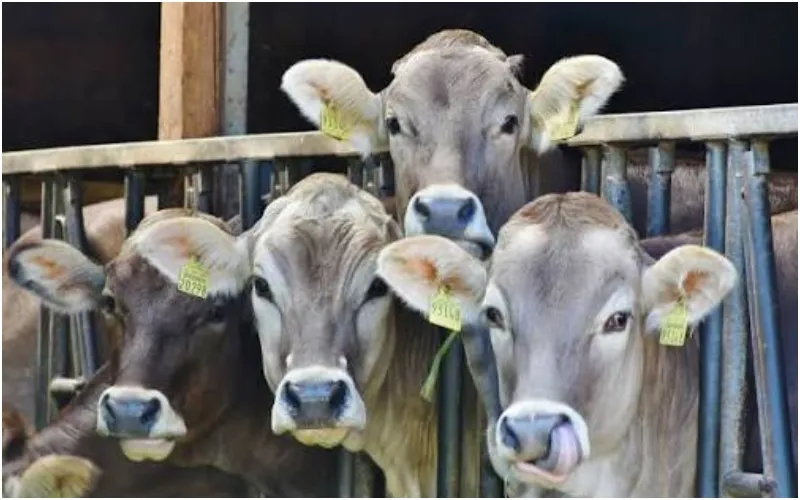
On September 23, Namibia suspended exports and imports of cloven-hoofed animals and their products, halting movement in the country following FMD outbreak in the country.
Namibia Agriculture Minister Charles Mubita confirmed that the cases were reported at Karasburg State Veterinary District in the Southern Karas Region, where 10 out of 11 samples tested positive.
The region borders South Africa, which is the worst-hit country since the January 2019 FMD outbreak that saw several countries, including Namibia, China, Botswana, Mozambique, eSwatini, Zambia and Zimbabwe, suspend imports, as reported by USDA.
How FMD is affecting Kenya
On September 17, the Director of Veterinary Services in Kenya Dr Azegele Allan, urged Kenyan farmers to be vigilant and report any case of FMD in their region.
Dr Allan noted that the FMD outbreak continues to be detected in most parts of the country, caused by two serotypes – SAT 1 and SAT 2.
“Between June and August 2026, a wave of FMD outbreaks caused by two laboratory-confirmed circulating serotypes, SAT 1 and SAT 2, were reported in several counties including Trans Nzoia, Uasin Gishu, Nandi, Kisumu, Baringo, Kiambu, Kajiado and Nyeri counties,” said Allan.
Dr Allan noted that FMD causes a sudden decline in milk production and death, especially among young animals, major production losses and can disrupt livestock trade due to trade bans.
According to Daily Nation, Kenya lost its meat export to the European market over a decade ago due to challenges in controlling animal diseases, including FMD.
Milk shortage in Kenya and Uganda
The update from the Directorate of Veterinary Services followed weeks of empty shelves across major supermarkets and shops, after over a month of reduced milk supply.
Kenya Dairy Board (KDB) attributed the shortage to the prevailing dry and cold conditions in key milk-producing areas, which affected fodder production and milk storage.
“The outlook for the October- November-December 2026 rainfall season is expected to support recovery in pasture and fodder availability, leading to improved milk production and supply as conditions become more favourable,” KDB noted.
James, a Rift Valley-based dairy farmer, affirmed that the dry spell reported between June and August 2026 affected most dairy farmers.
“Because of the prolonged dry spell, food crops in the Rift Valley were affected. That is why we have a milk supply shortage. Most farmers use fodder and supplement with silage. When fodder runs out, they deplete their silage stocks. To avoid depleting silage stocks, they reduce the ratios and resort to non-nutritious feeds like maize stovers and banana stems, which affect production.
“We are hoping that the rains in October and November will change the situation,” said James, speaking exclusively to News9.africa.
According to KDB, milk production in the country declined by 3.7% from 84.4 million litres in June 2026 to 81.3 million litres in July 2026.
Uganda also faced a similar situation in milk production and supply, affecting farmers and consumers across the region.
Speaking exclusively to News9.africa, Richard Muhangi, a dairy farmer based in Uganda, said the dry spell has increased the cost of producing animal feeds in the country, leading to the milk supply outage.
“Uganda is experiencing a shortage of milk supply due to a dry spell. For the processors, the prices of raw milk are so high, and the quantities are not enough to match their usual demand. So, Uganda is not faring well either,” said Muhangi.
How farmers can fight FMD
The shortage in milk production, supply and trade barriers on animal products across the region continued to intensify amidst the prevailing FMD outbreak.
Foot-and-Mouth Disease (FMD) is a highly contagious viral disease of domestic animals including cattle, sheep, goats, pigs and wildlife like buffaloes. It causes fever, excessive salivation, mouth and foot lesions and lameness.
Kenya’s director of veterinary services explained that FMD spreads through avoidable practices, including moving infected or exposed animals and potentially contaminated materials, disregarding quarantine restrictions and delaying laboratory confirmation of suspected cases.
He urged farmers to take the following measures to prevent the spread of FMD and protect the livestock industry;
- Report any suspected FMD cases immediately to County Veterinary Officers.
- Avoid moving infected/exposed livestock or materials.
- Present healthy livestock for official vaccination campaigns.











Discussion about this post