


KWALE, Kenya – Stakeholders in Kwale County have raised concern over the rising cases of sexually transmitted infections (STIs) and HIV among young people, calling on the community to take charge of reproductive health education.
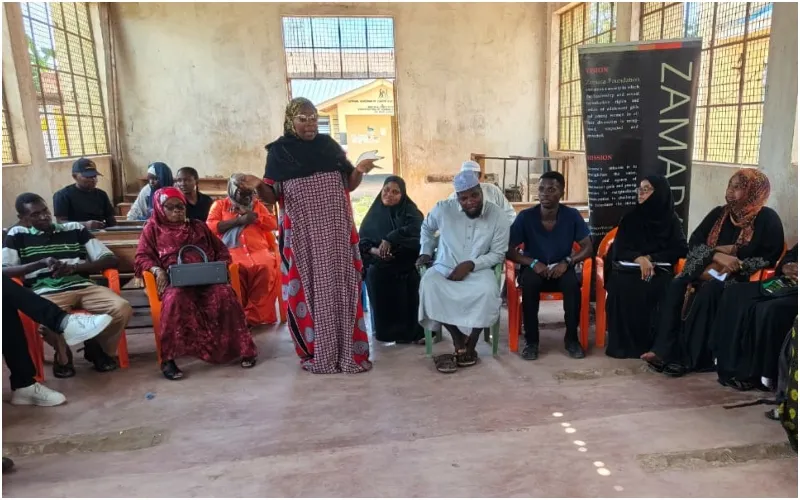
Speaking during a stakeholders’ forum that brought together teachers, parents, religious leaders and security officials, ZAMARA Foundation Community Coordinator in Kwale, Risper Kengere, said lack of information and openness on reproductive health is fuelling new infections.
Ms Kengere noted that infections are on the rise, a situation she attributed to limited awareness, reluctance to discuss reproductive health openly, and cultural norms that hinder gender and reproductive health conversations.
“There’s need for government to impact their CHVs with requisite knowledge about reproductive health education and information, so that they can spread it to the grassroots from an informed perspective,” said Kengere, during the forum attended by News9.africa.
Kengere called on the government to equip and adequately train community health promoters to effectively educate communities at the grassroots.
“The government should empower our field officers with the right tools and sufficient training so they can reach the community with accurate information on reproductive health,” she said.
ZAMARA Foundation Chief Executive Officer Wamboi Kimani challenged stakeholders to break the silence around reproductive health, especially for adolescent girls who bear the greatest burden.
“Honest conversations at family level, school, church and mosques and community level are crucial to protecting girls and ensuring they make informed decisions about their health,” Ms Kimani said.
The foundation said continued collaboration between parents, schools, religious institutions and security agencies is vital in addressing the growing reproductive health crisis among the youth.
Assistant Chief Binti Hamisi Mwarandu Kombani cautioned parents to protect their children against sexual and gender-based violence (SGBV) during the long December holiday.
She cautioned some communities against cultures that hinder the right to education for both girls and boys, noting that parents now have the responsibility of protecting their children from engaging in sexual activities.
“Parents should be cautious and should take it upon themselves to talk to their children about matters of reproductive health and SGBV, so that when they are abused they can report easily,” she said.
Binti Hamisi Danda of Kiteje Junior School reiterated calls to parents to ensure no schoolgirl gets pregnant or married during the long holiday, warning that parents who perpetrate such acts will face the law.
She asked parents to create safe spaces to talk candidly with their children on matters of sexuality education, especially those who are sexually active.
“Parents have a responsibility not to leave such matters to teachers alone, and now that schools are closed, as teachers, we urge parents to protect the children for us so that we don’t get any form of SGBV perpetrated against any school child,” Ms Danda said.








Discussion about this post