


Kenyan shilling has hit a nine-month high, maintaining stability in the foreign exchange market.
Data from the Central Bank of Kenya (CBK) showed that the shilling traded at KSh 129.24 per US dollar in the week ending Thursday, September 18, 2025.
The local currency continued to beat the greenback and other international currencies for the ninth month in 2025, after CBK improved the foreign currency reserves.
“The Kenyan shilling remained stable against major international and regional currencies during the week ending September 18, 2025. It exchanged at KSh 129.24 per US dollar on September 18,” said CBK in its weekly bulletin.
Why Kenyan shilling remains stable
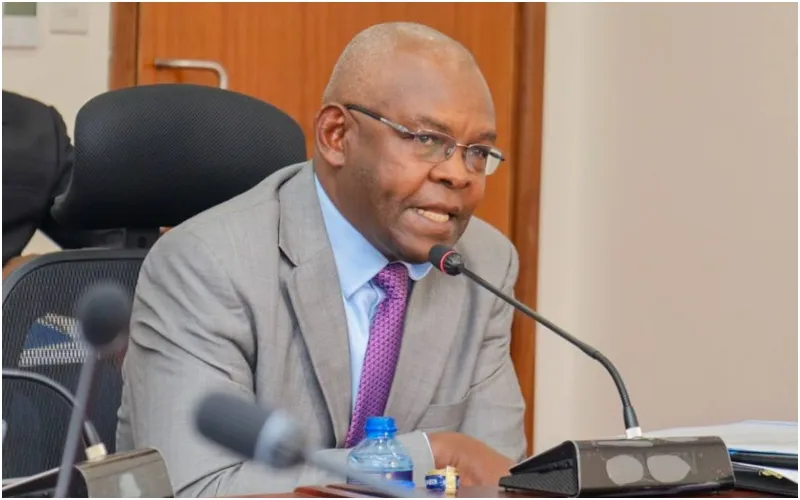
CBK governor Kamau Thugge attributed the stability of the shilling to strong foreign currency reserves, which can support more than four months of imports.
“The usable foreign exchange reserves remained adequate at USD 10,861 million (4.8 months of import cover) as of September 18. This meets the CBK’s statutory requirement to endeavour to maintain at least 4 months of import cover,” the statement continued in part.
Thugge said the growth in the foreign currency reserves resulted from improvements in the current account deficit supported by growth in exports of goods and services, diaspora remittances and reduced oil imports.
“The current account deficit is estimated to have narrowed to 1.6% of GDP in the 12 months to June 2025, compared to the 12 months to June 2024. This reflects improved exports of goods and services, strong diaspora remittances inflows, and lower oil imports,” said Thugge.
Thugge noted that the capital account and financial account inflows more than financed the current account deficit, resulting in an overall balance of payment surplus and a build-up in foreign exchange reserves.
“In 2024, we started the year with a reserve of $6.5 billion, and we were able to build reserves by the end of December to about $9.3 billion. This is the highest level of reserves we had up to that point,” he added.
These improvements enabled the Central Bank to purchase more foreign exchange, currently at about $11 billion, reducing pressure in the exchange rate.
“We expect that the current account transactions will continue to record a surplus going forward, and therefore that will afford us another opportunity to keep on building our reserve position and really to strengthen our external buffers.”











Discussion about this post