


For years, a Kenyan merchant paying a supplier in China faced a logistical nightmare: a payment “odyssey” in which Kenyan Shillings had to be converted to US Dollars, routed through a correspondent bank in New York, and processed across multiple time zones.
This legacy system often took seven days and consumed up to 3.5% of the transaction value in hidden fees.
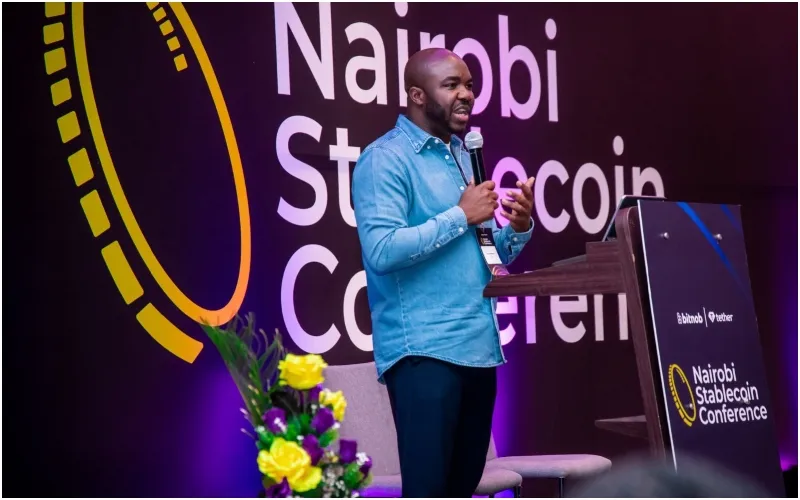
According to Wale Osideinde, COO of Bitnob, that era is coming to an end. Speaking to News Nine on the sidelines of a stablecoin conference in Nairobi, Osideinde described how blockchain infrastructure is replacing slow banking wires with “instant settlement.”
“A business in Nairobi can now accept payments from anywhere in the world in seconds. We have moved from bank accounts to mobile money, and now we are experiencing how crypto wallets change the velocity of money. You no longer need to wait for a bank in New York to open before your supplier in China gets paid,” Osideinde explained.
The scale of this shift is significant. Edward Ndichu, CEO of Wapi Pay, revealed that an estimated $500 million (KSh 64.5 billion) is already moving through stablecoins in Kenya every month.
While traditional remittances are often associated with individuals sending money home, the new frontier is “tokenising everything” – enabling small traders to move value 24/7 without being restricted by banking hours or excessive transaction costs.
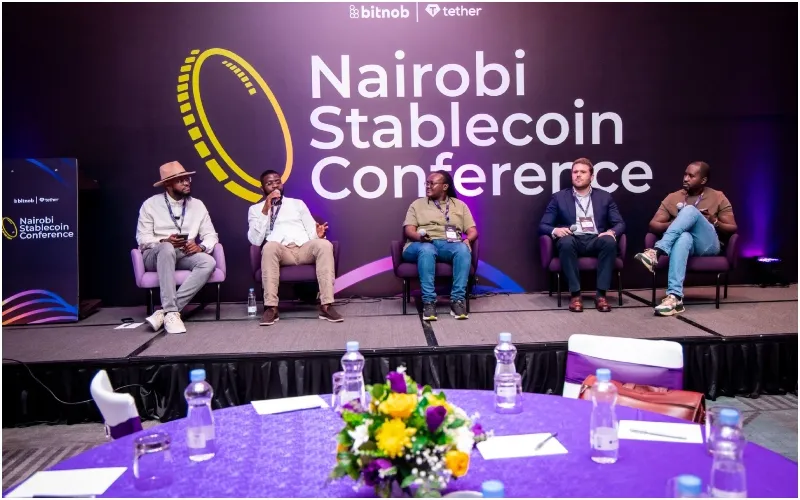
However, the “last mile” remains a hurdle. Tony Olendo, Chairman of the Virtual Asset Chambers, noted that friction occurs where digital assets meet traditional cash.
Currently, most Kenyans rely on peer-to-peer (P2P) networks – finding traders on WhatsApp or Telegram to “on-ramp” their local currency into digital dollars.
“The best way for this to happen is for it to be exactly like M-Pesa. Seamless, where you do not even need to know the person on the other end,” said Olendo.
With the Virtual Asset Service Providers (VASP) Act 2025 now in force, leaders expect traditional banks and mobile money platforms to integrate these “blockchain rails” via APIs within the next year.
This would allow a Kenyan freelancer or importer to swap shillings for stablecoins and settle a global invoice as easily as sending a text message – effectively making the “New York middleman” obsolete.








Discussion about this post