


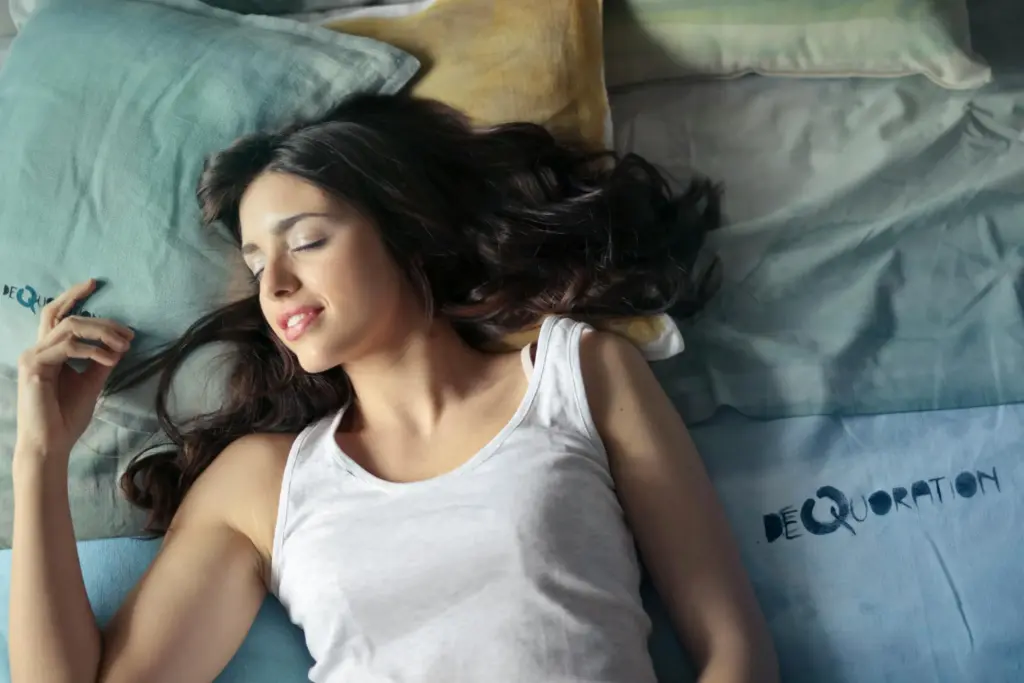
For decades, success was measured by long hours, packed schedules and the ability to power through life on little rest. Hustle culture glorified the sleepless achiever, the executive burning the midnight oil or the entrepreneur who bragged about surviving on just three hours of shuteye. Today, however, the narrative has shifted. Sleep has emerged as the ultimate marker of status, a luxury that not everyone can afford, yet one increasingly recognized as essential for health, productivity and long-term success.
The hustle mentality once equated exhaustion with dedication. People proudly wore dark circles under their eyes as proof of ambition. But as burnout, stress-related illnesses and mental health crises surged, the illusion of productivity without rest began to crack. Modern professionals and wellness experts now see chronic sleep deprivation not as a badge of honor but as a serious liability. In fact, the World Health Organization has classified burnout as an occupational phenomenon, reinforcing that rest is no longer optional but survival.
In a world that celebrates luxury handbags, exotic vacations and designer watches, sleep has quietly joined the ranks of high-value assets. Why? Because true rest requires not just time but also the right conditions, quiet environments, high-quality mattresses, blackout curtains and increasingly, sleep-enhancing technology. Wealthier individuals are investing in sleep coaches, high-end bedding and wellness retreats centered around rest. Apps and devices like Oura rings, sleep pods and guided meditation platforms are booming as people seek to optimize and flaunt their sleep quality.
Getting eight hours of uninterrupted rest has become a privilege that signals not only financial security but also control over one’s schedule. Unlike the hourly worker juggling multiple jobs or the parent balancing endless responsibilities, the elite can carve out protected time for restorative rest. In this sense, sleep is both a wellness goal and a social statement.
Science backs up this new appreciation for sleep. Studies have consistently shown that adequate rest improves memory, decision-making, creativity and emotional regulation. Business leaders and innovators are embracing sleep as the foundation of peak performance. Arianna Huffington, co-founder of The Huffington Post, famously pivoted her career toward sleep advocacy after collapsing from exhaustion. Tech CEOs now discuss bedtime routines in interviews with the same seriousness once reserved for business strategies. The message is clear: true power lies not in sacrificing rest but in protecting it.
This cultural shift has birthed a booming sleep economy. Globally, the sleep industry is estimated to be worth over $400 billion, with everything from weighted blankets to melatonin-infused drinks vying for consumers’ attention. Luxury hotels market sleep packages, offering pillow menus and circadian lighting systems. Wellness influencers share nighttime rituals, turning rest into aspirational content. Even fashion has adapted, with stylish loungewear and chic sleepwear transforming bedtime into an aesthetic statement.
What was once an ordinary biological necessity has now been rebranded as a lifestyle choice. Getting good sleep is no longer just about personal health; it’s about aligning with a global trend that equates rest with sophistication, balance and success.
Yet, sleep as a status symbol also highlights societal inequalities. The ability to sleep well often depends on socioeconomic conditions. Those working multiple shifts, living in noisy urban centers or facing economic insecurity may find quality rest out of reach. In this light, the glorification of sleep as a luxury inadvertently exposes a privilege gap. Just as organic food or boutique fitness classes reflect wealth, so too does the ability to consistently enjoy uninterrupted sleep.
Still, the broader cultural reset toward valuing sleep may benefit everyone in the long run. Workplaces are beginning to prioritize employee well-being, encouraging flexible schedules and discouraging late-night emails. Schools and universities are adjusting start times in recognition of students’ sleep needs. Even governments are weighing in, with some countries considering policies around rest and work-life balance.
By rebranding sleep as something to aspire to, society may finally counteract the harmful glorification of exhaustion. While not everyone can afford luxury sleep solutions, the growing emphasis on rest has the potential to reshape cultural expectations around health and productivity.
The transformation of sleep from a basic necessity into a status symbol signals a profound cultural shift. Where once success was measured by sacrifice, it is now increasingly measured by balance and well-being. To say, “I got eight hours of sleep last night” has become more powerful than boasting about working 18 hours straight.
In the end, sleep is not just a lifestyle trend, it’s a quiet revolution. As the ultimate equalizer of human biology, it reminds us that success without rest is unsustainable. In 2025 and beyond, the most enviable luxury may not be wealth, fame or possessions, it may simply be a good night’s sleep.







Discussion about this post