


ADDIS ABABA, Kenya – Finally, the Second Africa Climate Summit (ACS2) has begun in Addis Ababa, Ethiopia. The event is scheduled for September 8–10, 2025. This historic event is a critical chance to reframe Africa’s ambitions for a thriving and climate-resilient future.
Under the auspices of Agenda 2063: The Africa We Want and with a foundation in multilateralism, ACS2 will showcase Africa’s brave attempts to re-green its landscapes and proven climate solutions, establishing the foundation for addressing the effects of climate change and promoting greener development.
“We can create equitable, realistic, and international climate action if African leadership takes the lead. We work together to create a more peaceful, integrated, cohesive, prosperous, climate-resilient, and environmentally friendly Africa. Once more, you are cordially invited to Addis Ababa,” said Ethiopian Prime Minister Abiy Ahmed Ali ahead of the event.
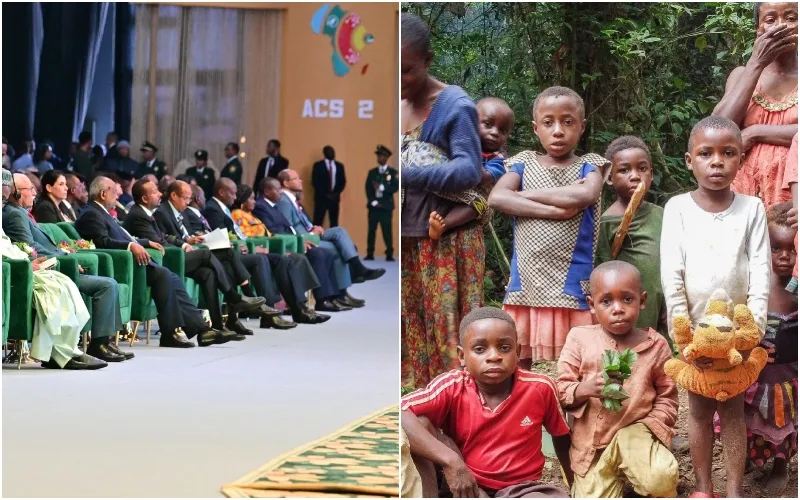
As Africa unites in Addis Ababa in pursuit of climate justice, resilient development, and a sustainable future for generations to come, Greenpeace Africa is demanding urgent action to implement a Global Polluter Pays Pact and direct forest finance to Indigenous communities, positioning Africa as a moral leader in climate justice.
Dr. Oulie Keita, Executive Director of Greenpeace Africa, says that Africa stands at a crossroads: either continue bearing the brutal costs of a crisis we did not create, or demand real justice.
“The world cannot preach climate justice while Africans pay with their lives and livelihoods. Climate justice without financial justice is an empty promise. Those who profited from pollution must pay for the damage, not trap Africa in debt,” Dr. Keita says.
At the Africa Climate Summit, Dr. Keita further says that as climate justice activists, they demand binding taxes, polluter-pays rules, and direct access to climate finance.
“With 40% of the world’s renewable resources and unparalleled indigenous wisdom, Africa can and must lead the way in proving that climate justice is not charity, but accountability.”
What should the UN Tax Convention do
On the other hand, Koaile Monaheng, Pan African Strategist at Greenpeace Africa, emphasised that illicit financial flows bleed $89 billion yearly from Africa – enough to build climate-resilient futures.
“The UN Tax Convention must end tax havens shielding polluters, while ensuring mobilised revenues are ringfenced to support just transitions across our communities, fill in the gap in climate finance and phase out fossil fuels. This isn’t charity; it’s restitution for ecological debt accumulated through exploitation,” said Koaile.
Central to Greenpeace Africa’s demands is a binding international mechanism to hold fossil fuel companies accountable for the climate crisis- The Polluter Pays Pact. With just 100 corporations responsible for 71% of global emissions since 1988, and over 80% of people across 13 countries supporting polluter accountability.
Why is there a need for a binding tax treaty
The Pact would ensure these entities contribute to Adaptation and Loss and Damage Funds needed to help frontline communities address the impacts of the climate crisis, especially for African countries bearing the brunt of these climate disasters.
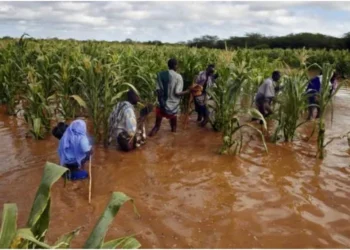
Amos Wemanya, Responsive Lead for Greenpeace Africa, stated that while families bury loved ones after climate-fueled extreme weather events like floods and tornadoes, fossil fuel giants celebrate record profits.
“A binding tax treaty must force these corporations to pay into Loss and Damage Funds. Our polling shows over 80% global support – politicians must stop protecting polluters and start protecting people,” Wemanya said.
Why the African forests are best protected
Greenpeace Africa also calls for high-integrity forest solutions, recognising that African forests store approximately 171.8 billion tonnes of carbon and are best protected by indigenous peoples and local communities.
“Communities protect forests better than governments or carbon markets. Yet they receive pennies of climate finance. True forest solutions reject ‘degradation offsets’ and prioritise Indigenous rights,” Wemanya added.
These interconnected demands – tax justice, polluter accountability, and forest protection – form a comprehensive blueprint for climate justice at the Africa Climate Summit. Greenpeace Africa urges African leaders to commit to these mechanisms for a just transition.
“Without these three pillars, climate summits become performative theatre while Africa burns. Real solutions demand systemic courage – starting here, starting now,” concluded Dr. Keita.








Discussion about this post