


Tomato farming in Kenya is widespread, ranging from small-scale farming to commercial farming.
However, small-scale farmers often give up due to several challenges, including diseases that attack tomatoes at harvest.
These diseases include Fusarium wilt, a common vascular wilt fungal disease, affecting tomatoes at the harvesting stage.
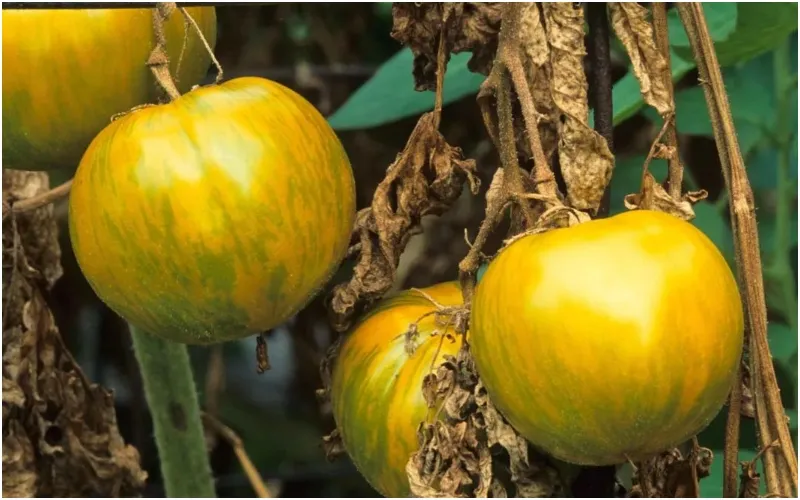
Fusarium wilt produces symptoms such as wilting, chlorosis and necrosis, premature leaf drop, browning of the vascular system, stunting, and damping-off in tomatoes.
The disease spreads through water and human contact (use of uncleaned farm tools) from the infected plant to non-infected fields.
Fusarium wilt thrives in conditions such as high soil temperatures, hot damp weather, and warm wet soils.
Prevention and control of Fusarium Wilt
To prevent and control the spread of the fungus, tomato farmers should avoid the use of fertilisers with high Nitrogen components, excessive watering, and overhead irrigation.
Farm tools should be sterilised frequently to avoid spread of the fungus from the affected fields.
Tomato farmers should control weeds which could pose alternative host risks.
For infected fields, farmers should practice crop rotation; remove infected plants and destroy them completely, treat soil and use copper-based fungicides.
Tomato farming yields can be high if a farmer observes these procedures, doubling the scale in the market and improving food security in the economy.








Discussion about this post