


Mombasa, Kenya – President William Ruto has announced a further reduction in pump prices to cushion Kenyans from the rising fuel prices.
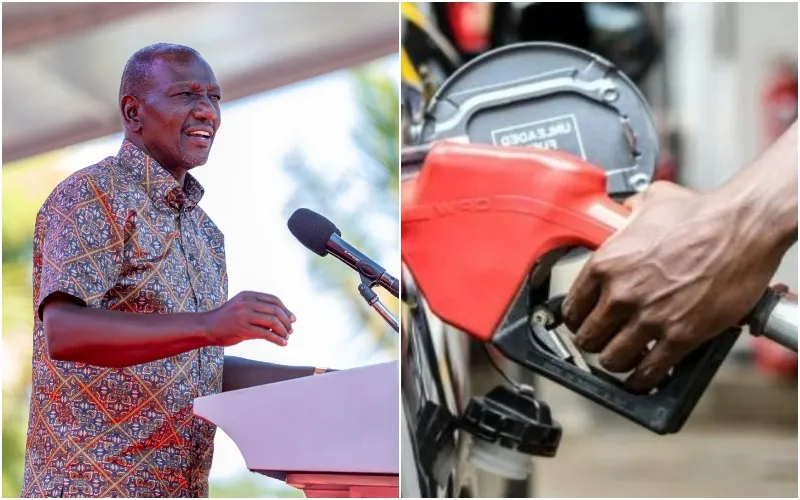
Ruto said the decision to forego fuel taxes is not an option, since it will exert pressure on the exchequer.
How much will govt cut from pump prices
Speaking at Statehouse Mombasa, the head of state said his administration will take further measures to cut diesel prices by KSh 10 per litre in the next pump price review cycle.
The announcement came after a deliberation between the government and transport sector players.
“I have directed that in the next pricing cycle we are going to reduce the prices of diesel by KSh 10 per litre, in the June-July cycle, to help stabilise pump prices and provide additional relief to consumers.,” said Ruto.
Ruto revealed that the government committed a total of KSh 28.19 billion in fuel price support through direct stabilisation measures and tax relief interventions between April and June 2026.
He argued that despite these measures, the prices of super Petrol would have hit KSh 230.12 per litre instead of KSh 214.25, diesel KSh 277.75 instead of KSh 232.86 and Kerosene KSh 270.00 instead of KSh 191.38.
Why govt won’t slash fuel taxes
The president dismissed the call from some leaders and industry stakeholders to slash fuel taxes, noting that it would mean halting some key economic developments in the country.
“There are those asking the government to remove all taxes and levies on fuel immediately. But we must ask ourselves honestly: if we stop collecting this revenue entirely, what public services shall we stop funding?” said Ruto.
According to the president, the reduction in VAT from 16% in April’s pump price review saw the government lose KSh 6.41 billion in revenue.
Ruto said due to the uncertainty of the crisis and the increase in fuel prices across the global supply chain, his government will continue to act with care, responsibility, and sustainability in mind.
“We continue to review every possible measure to reduce pressure on citizens while safeguarding economic stability. We are also engaging stakeholders across the transport sector, agriculture, industry, and the business community to develop practical interventions aimed at reducing the impact on livelihoods and economic activity,” he added.
Meanwhile, the transport sector players including the Matatu Owners Association called off the planned nationwide strike, which was planned for Tuesday, May 26, after a lengthy meeting with thepresident.







Discussion about this post