


NAIROBI, Kenya – Prices of petroleum products in the international markets have declined to levels not seen before the Iran war.
According to BBC News, the US and Iran signed a memorandum of understanding (MOU) on Wednesday, June 17, allowing for a 60-day negotiation period.
This saw Iran open up the Strait of Hormuz, allowing the resumption of the shipping traffic, which reduced Murban crude oil prices to $74.41 per barrel from $84.60 per barrel during the same week under review.
What are the current global oil prices?
However, in the week ending June 26, the prices of Mrban crude – mainly used in Kenya – declined from $74.41 per barrel to $66.45 per barrel.
Oil Price reported that Brent crude fell to $72.74 per barrel.
The BBC reported that shipping traffic, including vessels carrying crude oil, liquefied natural gas (LNG), fertiliser and other goods, in the Strait of Hormuz increased throughout the week.
The developments came as fuel prices in importing countries like Kenya shot through the roof following the heightened tension in the region.
Fuel prices in Kenya
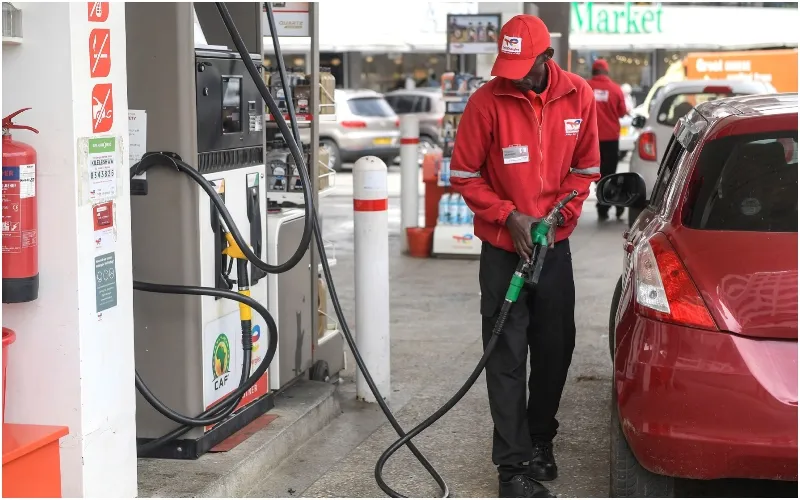
In Kenya, prices of petroleum products hit a high of KSh 200 per litre, with diesel selling at over KSh 230.
The Energy and Petroleum Regulatory Authority (EPRA), in its June pump price review, managed to lower the prices of diesel and super petrol.
This saw super petrol in Nairobi retail at KSh 214.03 per litre and diesel retail at KSh 222.86 per litre.
Kerosene prices remained unchanged at KSh 191.38 per litre, as the regulator noted that it cushioned the consumers through the Petroleum Development Levy (PDL) Fund by utilising approximately KSh 10 million to subsidise the prices of diesel and kerosene.











Discussion about this post