


MAPUTO, Mozambique – As climate-related disasters continue to threaten lives and livelihoods across Africa, leaders at a continental conference in Maputo have called for a decisive shift from emergency response to prevention, warning that resilience requires investment, regional cooperation and community participation.
For communities repeatedly battered by cyclones, floods and droughts, disaster recovery often begins after homes have been destroyed, crops washed away and livelihoods disrupted. But what if more could be done before disaster strikes?
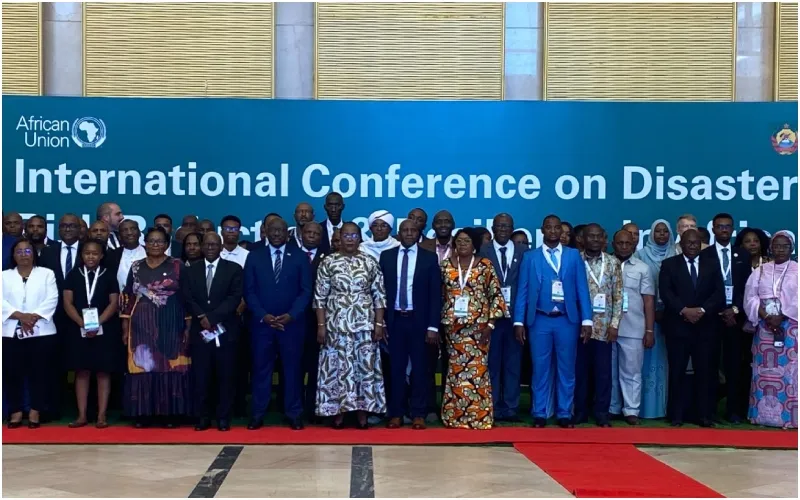
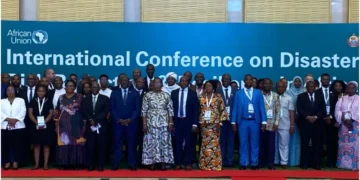
That question shaped discussions at the International Conference on Disaster Risk Reduction and Resilience in Africa, which concluded in Maputo, Mozambique, with calls for governments to invest more in preparedness, early warning systems and climate-resilient infrastructure.
SADC Deputy Executive Secretary for Corporate Affairs Dr Judith Kateera said African countries must progressively increase domestic funding for prevention and preparedness instead of relying heavily on emergency assistance after disasters occur.
Kateera called for dedicated budget lines for disaster risk reduction, improved tracking of expenditure and stronger financing mechanisms to ensure communities receive support before hazards escalate into disasters.
She said resilience cannot be achieved through commitments alone, but requires resources that reach the people most at risk.
“We must ensure that local authorities and community organisations have timely access to resources needed for preparedness measures and early action to enhance resilience,” Dr Kateera said.
Collective understanding of climate disasters
For Gabriel Belém Monteiro, Vice-President of Mozambique’s National Institute for Disaster Risk Management and Reduction (INGD), the conference was an opportunity to strengthen collective understanding of the challenges facing the continent.
“We are leaving this place knowing exactly what is supposed to be done, based on the community declaration we have adopted during this conference.
“There is a need to move beyond dialogue and translate commitments into practical action, particularly through cooperation between countries facing similar climate-related threats,” said Monteiro.
Mozambique’s Minister of Youth and Sports, Caifadine Manasse, who officially closed the conference, reinforced the need for Africa to change how it approaches disasters.
“Risk does not know borders, but resilience should not know borders either,” said Manasse.
Manasse called for greater investment in African meteorological services, multi-hazard early warning systems and infrastructure capable of withstanding extreme weather.
He also emphasised the importance of placing women, young people and local communities at the centre of disaster planning.
Financing remains a critical challenge.
Manasse further called for at least 50% of global climate and development funding to be directed towards adaptation and disaster risk reduction in Africa.
He backed the establishment and capitalisation of an African Fund for Climate Resilience and Disaster Risk Reduction.
The conference adopted the Maputo Declaration on Disaster Risk Reduction, with Mozambique pledging to take its commitments to the African Union, SADC and the United Nations.









Discussion about this post