


NAIROBI, Kenya – The World Health Organisation (WHO) has acknowledged Kenya’s response to the Ebola Virus Disease outbreak.
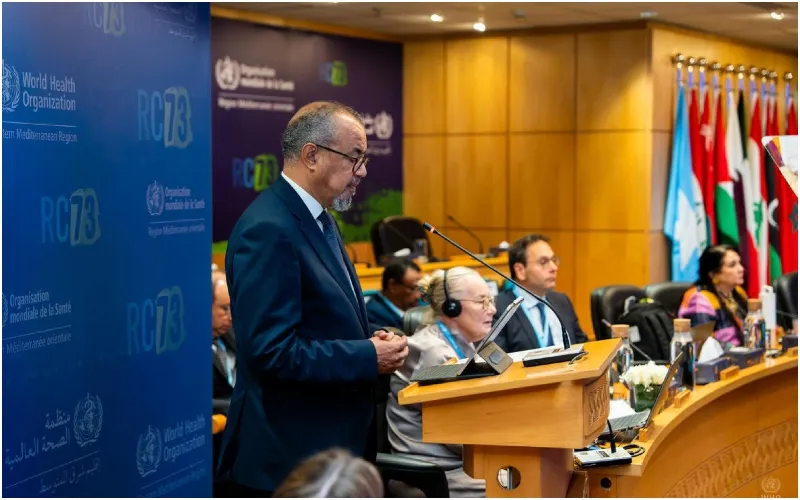
WHO Director-General Dr Tedros Adhanom applauded the country’s surveillance and contact tracing efforts since the first imported case of Ebola (Bundibugyo) Virus Disease was reported on October 6, 2026.
How many Ebola cases are in Kenya?
Dr Adhanom’s remarks followed the second case of Ebola virus reported on Wednesday, October 14, with the victim related to the first patient.
“Kenya identified a second case of Ebola caused by the Bundibugyo virus, a close contact of the first patient, who has already been in quarantine. This shows that surveillance and contact tracing efforts are working. He has been receiving supportive clinical care since the onset of the symptoms,” said Adhanom.
The DG confirmed WHO’s collaboration with Kenya and other countries since the May 2026 Ebola outbreak in DRC to prepare for potential imported cases through disease surveillance, contact tracing and clinical management.
Kenya’s Ministry of Health (MOH) confirmed the two cases, with no evidence of spread in the wider community.
“Contact tracing and monitoring are working. Both cases are linked, and there is no evidence of spread in the wider community,” Health Cabinet Secretary (CS) Aden Duale said in a statement sent to the newsroom.
CS Duale noted that the Ministry has listed 128 contacts of the first case and, as at October 13, had traced 113 and placed 108 in quarantine (in Kenya), with daily clinical and temperature checks for 21 days from their last possible exposure.
“The other five are outside Kenya, and health authorities in those countries have been informed, as required under the International Health Regulations (2005). Tracing of the remaining 15 continues.
“Teams are also assessing everyone who has been in contact with the second case since his symptoms began, including quarantine staff and health workers,” the CS confirmed.
He added that Kenya notified the World Health Organisation in line with the International Health Regulations (2005) and the country remains open, with no restrictions on travel, trade or public gatherings.
KMPDU’s call on Ebola response
Meanwhile, medical practitioners urged for collaboration among stakeholders in responding to the Ebola outbreak in the country.
Kenya Medical Practitioners, Pharmacists and Dentists Union (KMPDU) National Chairman Dr Abidan Mwachi called for a coordinated and collaborative approach involving the government, healthcare workers, professional organisations, communities and other stakeholders to strengthen the country’s preparedness and response to the viral disease.
He stressed the urgent need to strengthen disease surveillance systems, enhance early detection, reinforce infection prevention and control measures.






Discussion about this post