


MAPUTO, Mozambique – Regional cooperation is emerging as a critical tool in strengthening climate resilience in Southern Africa, with the Southern African Development Community (SADC) leveraging shared expertise, technology and capacity-building initiatives to improve access to climate information.
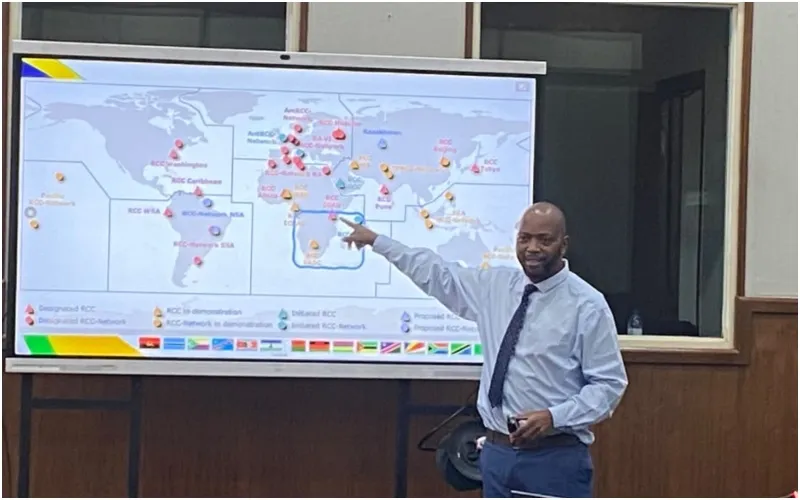
Speaking in Maputo, Mozambique, during the International Conference on Disaster Risk Reduction and Resilience in Africa, held between October 12 and 15, 2026, seasonal and climate forecaster at the SADC Climate Services Centre Sunshine Gamedze emphasised that regional collaboration among member states strengthens their ability to produce and use climate information for planning and decision-making.
“The experience demonstrated the value of countries working together to address climate-related risks that transcend national borders, while building on the different capacities and resources available within the region.
“This is in line with the African Union’s (AU) Agenda 2063, which envisions an integrated, prosperous and resilient Africa driven by cooperation among member states,” said Gamedze, while addressing the implementation of the Intra-ACP Climate Services and Related Applications (ClimSA) programme during the conference attended by News9.africa.
Gamedze said one of the priorities going forward was to ensure that the gains achieved through ClimSA could be sustained beyond the lifespan of donor-funded projects.
He noted that SADC was exploring strategies to mobilise resources within the region, including engaging sectors that benefit from climate services to contribute towards maintaining the systems and infrastructure that support them.
The approach would strengthen regional ownership and encourage governments, institutions and users of climate information to share responsibility for sustaining the services.
Climate data sharing
Gamedze also highlighted the importance of strengthening cooperation among member states in maintaining meteorological observation stations and sharing data.
He said a more integrated regional observation network would improve access to information and strengthen the collective capacity to monitor weather patterns and prepare for climate-related hazards.
The ClimSA programme, funded by the European Union (EU) and implemented by the African Union Commission and regional economic communities, has supported climate information production, equipment provision and capacity building for meteorological services and users in sectors including agriculture, water, energy and disaster risk reduction.
Gamedze said implementation had also provided lessons on coordinating investments across countries with different needs and development priorities.
“In some instances, member states obtained similar equipment from other development partners while ClimSA procurement was underway,” he said.
The experience of Angola illustrated how regional programmes could support countries with specific capacity needs while allowing them to build on national investments in modernising meteorological services.
Why AU holds international conference on disaster risk
Convened by the African Union Commission in collaboration with the Government of Mozambique, the conference seeks to advance proactive governance, strategic investment and stronger early-warning systems across Africa.
As climate risks increasingly affect food production, water availability, energy systems and livelihoods, SADC’s experience highlights the importance of regional solidarity in building resilience.
Sustaining these gains will require continued cooperation, investment and coordination among member states, regional institutions and development partners, ensuring that climate information remains a shared resource supporting Africa’s long-term development ambitions under Agenda 2063.









Discussion about this post