


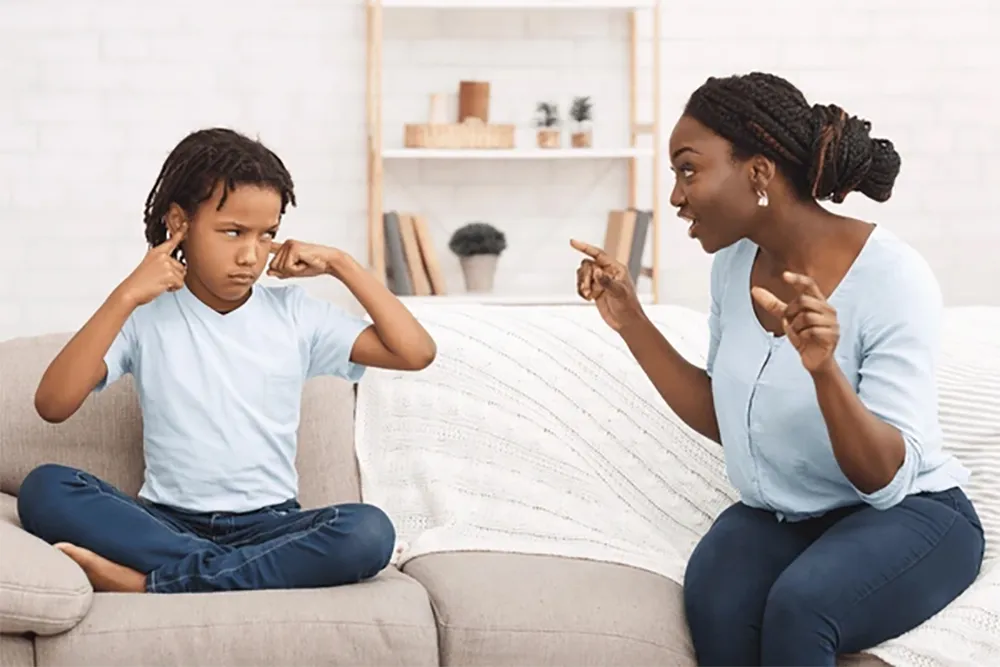
If you’ve spent any time on social media lately, you’ve probably stumbled across videos of parents calmly negotiating with toddlers who are mid–meltdown or explaining big emotions to tiny humans in the softest tone possible. Welcome to the world of soft parenting, one of the most talked-about modern parenting approaches and a lifestyle shift that more families around the world are embracing. But why is this gentle, patient, emotion-focused style becoming so popular? To understand its rise, you have to look at who today’s parents are, what they’ve lived through and what kind of world they hope to raise their children in.
For starters, soft parenting is gaining momentum because today’s generation of parents is much more aware of the impact childhood experiences have on adulthood. Many people were raised in environments where shouting, spanking or because I said so were considered normal. While these methods worked in the short term, they often left emotional scars or created strained parent-child relationships. Soft parenting is emerging as a conscious attempt to break that cycle. It offers a way to discipline without damaging trust, connection or self-esteem. For millennial and Gen Z parents, healing from their own childhoods includes choosing a different path for their kids.
Social media has also played a major role in popularising soft parenting. TikTok, Instagram and YouTube are full of parenting coaches demonstrating how calm communication works even in high-stress situations. Those viral clips make it look effortless, sometimes too effortless but they have opened many people’s eyes to new strategies beyond punishments and threats. Parents watching these videos often think, “Maybe there’s a way to guide my child without losing my mind.” And because these platforms make parenting advice accessible, the trend keeps spreading. What was once an academic concept in child psychology is now a mainstream lifestyle trend.
Another big reason soft parenting is gaining traction is that modern life is already stressful enough. Parents juggling work, rent, relationships and the constant pressure of rising living costs don’t want to add daily battles with their children into the mix. Soft parenting promises a home environment that is calmer, more communicative and less combative. Instead of power struggles, it focuses on teaching children emotional regulation, cooperation and independence. It transforms the home into a supportive space where feelings are validated, not suppressed. In a chaotic world, this calmer approach feels refreshing.
The rise of mental health awareness has also pushed soft parenting into the spotlight. As society becomes more open about anxiety, depression, trauma, and emotional wellbeing, people are realising that the way children are raised has long-term psychological effects. Soft parenting aligns perfectly with this new awareness: it encourages empathy, healthy communication and self-awareness from a young age. Parents want to raise emotionally stable kids who can navigate life with confidence and kindness. Soft parenting helps lay that foundation early.
Another factor behind its popularity is the shifting family dynamic. Gone are the days when authoritarian parenting was the default. Today, families are more diverse, single-parent households are more common and parents are more involved in their children’s daily lives. Many parents now see their children as individuals with feelings, thoughts and boundaries not simply as mini versions of themselves. Soft parenting embraces this individuality. It teaches parents to work with their children, not against them. And as children respond positively,more cooperation, less fear, better communication the approach becomes even more appealing.
However, part of the popularity also comes from a misunderstanding. Many people assume soft parenting means letting children do anything they want. In reality, it is not permissive parenting. Soft parenting still involves boundaries, consequences and expectations. The difference is the delivery, gentle instead of harsh, explanatory instead of demanding. Parents are learning that kindness and firmness can exist at the same time. The goal isn’t to raise spoiled kids but emotionally intelligent ones.
As more families try the approach, the benefits become more visible. Parents report fewer tantrums, more open conversations and stronger connections with their children. Teachers notice that children raised with soft parenting tend to resolve conflicts better and communicate clearly. Communities see happier families and less fear-based discipline. That positive feedback loop is fuelling the trend further.
Ultimately, soft parenting is gaining popularity because it reflects what today’s world needs: empathy, patience, emotional intelligence and healthier relationships. It is a lifestyle shift that goes beyond parenting, it changes how adults handle stress, how families communicate and how children understand themselves. And while it isn’t perfect and certainly not always easy, it represents a deeper human desire to raise a generation that is kinder, more confident, and better equipped for the complexities of modern life.
In many ways, soft parenting isn’t just a trend, it’s a quiet rebellion against the harshness of the past and a hopeful investment in the future.







Discussion about this post