


KAMPALA, Uganda – A ground-breaking study from The Real Urban Emissions Initiative, a collaboration between the FIA Foundation and the International Council on Clean Transportation, and the United Nations Environment Programme (UNEP) reveals that Kampala, the capital of Uganda, has dangerously high levels of air pollution.
According to the study Evaluation of Real-World Vehicle Emissions in Kampala, Uganda, particulate matter levels—which can lead to a variety of health issues—are twelve times higher than what the WHO deems safe. The transportation sector, which is dominated by foreign-imported automobiles, which many experts claim are getting older and emit a lot of pollutants, was responsible for almost 60% of those emissions.
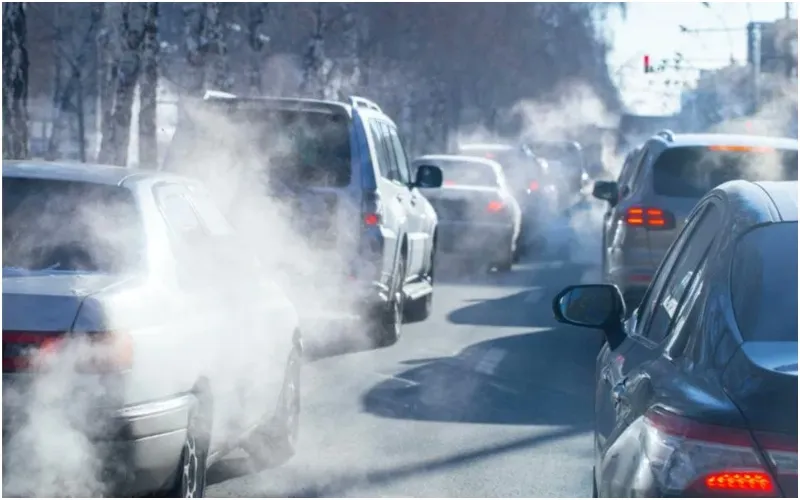
The majority of automobiles surpass the so-called Euro 4 emission criteria, which establish a maximum limit on a variety of pollutants, such as nitrogen oxide, carbon monoxide, and particulate matter. According to the study’s authors, the results show how urgently stricter enforcement of emission guidelines is needed to counteract Kampala’s declining air quality.
According to the report, Uganda has made encouraging progress by imposing a 15-year age limit on imported light-duty cars and adopting the Euro 4 emission criteria for all imports. However, the absence of a strong car inspection program in the nation means that officials have limited knowledge of the pollution levels emanating from Kampala’s clogged streets.
The findings of the analysis are included in the first-ever real-world emissions data that was gathered in a city in Africa. In July 2024, the Kampala study got underway.
According to the research, air pollution is still a major problem in Kampala even though the majority of Uganda’s automobile imports come from nations like China, Japan, and the United Kingdom that have strict emissions regulations.
Under-eight-year-old petrol passenger automobiles had nitrogen oxide (NOx) emissions that were 5.5 times more than the Euro 4 standards. Compared to their diesel equivalents, these cars also emitted more NOx. This pattern, which is uncommon, points to particular difficulties with Kampala’s fleet of cars, such as likely inadequate maintenance procedures, a propensity for using subpar replacement components, and a lack of technical expertise.
Some of the most startling results were found in minibus taxis, which are employed for passenger transportation in the city. The NOx emissions were over nine times greater than the Euro 4 regulations, while the average age of the vehicle was 25 years old. During measurement, at least 16% of diesel minibuses older than 15 years showed visible black smoke coming from their exhaust and had average black carbon emissions that were six times greater than those of vehicles between the ages of 8 and 15.
According to the report, the emissions impact of minibus taxis is concerning because they constitute the foundation of the city’s unofficial public transportation system. According to the study, the problem seems to extend beyond vehicle age and miles, pointing to more profound structural causes of fleet deterioration.
What is the way forward
To improve vehicle emissions standards and air quality the report provides three main recommendations:
– Strengthen vehicle import standards, particularly by ensuring all imported vehicles, new or used, meet Euro 4 standards, with a roadmap to transition to Euro 6 standards by 2030.
– Implement routine vehicle inspection programs and improve vehicle maintenance. Uganda’s scheduled mandatory annual vehicle inspection – which has been postponed by one year – should be consistently done. Also, it should include the monitoring of vehicles already on the road and the enforcement of inspection standards.
– Prioritise a renewal scheme for public transportation and implement annual inspections and required maintenance. This would involve establishing an age limit for newly registered minibuses and helping minibus taxi owners to transition to newer, lower-emitting vehicles.
Rob de Jong, Head of UNEP’s Sustainable Mobility Unit, stated, “The data from the real-world vehicle emissions measurement highlights the critical need for effective regulation of both vehicle and fuel standards.”
Why Africa should adopt standardised Euro 4 car standards
The results highlight how urgent it is for Africa to completely adopt regionally standardised Euro 4 car standards. In addition to enhancing the calibre of imported fleets, this would lessen air pollution in Kampala and the surrounding area.
Uganda is already working on solutions, laying out new initiatives to enhance air quality under its e-mobility policy and National Environment Regulations. Based on the East African Community vehicle emission regulations, Uganda’s Ministry of Works and Transport has started creating a roadmap and implementation plan for required heavy-duty vehicle inspections. The potential switch from the Euro 4 to the Euro 6 standard is covered in the roadmap.
“We are beginning to inspect all car classifications. Karim Kibuuka, head of the Ministry of Works and Transport’s Motor Vehicle Inspection Section, stated that since this is just the beginning, the inspectors must now be trained and certified to be at the international standard. “We also require additional equipment, especially to meet Euro 4 and higher standards.”
What role does the Real Urban Emissions project play
In order to assist decision-makers in creating data-driven air quality and climate policies, the Real Urban Emissions project measures vehicle emissions in urban areas.
“Considering the type of vehicles that enter the nation and the quantity of cars and motorcycles we own, the TRUE project is opportune,” stated Busingye Kelemensio, Manager, Revenue Accounting and Reporting Finance Division, Uganda Revenue Authority. This will assist us in lowering air pollution. We require funding and capacity building in order to put the project’s outcomes into practice.
According to the report, Kampala can immediately reduce emissions, protect the health of its citizens, and establish a model for other African cities facing comparable difficulties by putting air quality regulations into practice.
In order to determine the effects of emissions on the environment and human health, the study examined 6,000 automobiles in Kampala. It assessed pollutants in a variety of vehicle types, including cars, motorcycles, minibuses, buses, and commercial vehicles, using plume-chasing technology.













Discussion about this post