


MOMBASA, Kenya – In a significant step towards bolstering evidence-based migration and displacement governance in the area, the Intergovernmental Authority on Development (IGAD), in partnership with GIZ and Statistics Sweden, is scheduled to release the second edition of the IGAD Population and Migration Statistics Report.
In addition to providing a thorough study of migration and displacement trends throughout the IGAD region, the report, which will be released in Mombasa, Kenya, today, Thursday, September 4, 2025, contains summary figures for the years 2010–2022.
Djibouti, Ethiopia, Eritrea, Kenya, Somalia, South Sudan, Sudan, and Uganda are IGAD Member States. These countries are the origin, transit, and destination of a variety of migrants, including labour migrants, refugees, internally displaced people (IDPs), returnees, and stateless people.
The second edition builds on the first report’s findings by highlighting the dynamic interactions between labour migration, forced displacement, demographic shifts, and remittance flows. It also highlights the region’s crucial role in global migration dynamics and its socioeconomic ramifications, as well as the necessity of strong data governance to support evidence-based policy.
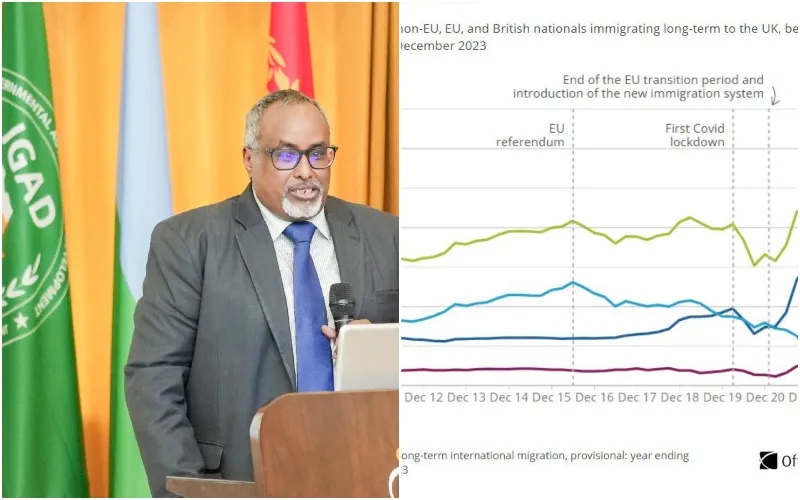
Mohamed Abdi Ware, the Deputy Executive Secretary of the IGAD Secretariat, will preside over the launch of the report along with senior officials from IGAD Member States and Partners.
What is the main economic activity of the Karamoja region
According to a recent IGAD research published in June 2025, the socioeconomic dynamics of the Karamoja Cross-border Area of Uganda are significantly disrupted by drought.
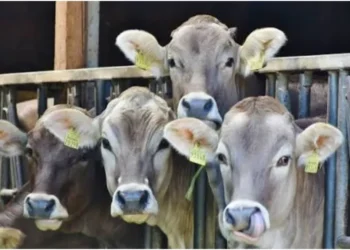
The main economic activity, pastoralism, is highly dependent on the availability of pasture and water. Long-term droughts, however, result in livestock losses, as mortality rates rise during these times.
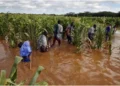
Reduced rainfall and unpredictable weather cause crops to fail, which leads to food shortages and farmers losing money. As water and fodder resources grow limited, pastoral communities also suffer as they are compelled to relocate in pursuit of better grazing areas for their animals.
For example, during the 2010–2011 drought, cattle mortality in some parts of Karamoja reached 20%, according to the paper “Drought Risk Profile for Karamoja Cross-Border Area.”
Why cattle remain a source of conflict in the Karamoja region
Since cattle are the primary source of income, their loss results in a substantial financial loss (FAO, 2016). The report states, in part, that “unfortunately, this movement frequently results in conflicts over limited resources, further worsening an already fragile socio-economic situation.”
Food insecurity brought on by drought is a persistent problem in the area. Reduced agricultural output from insufficient rainfall upsets cycles of food production and exacerbates already-existing food shortages. Malnutrition rates are exacerbated by limited food access, particularly for vulnerable populations, including the elderly and children.
To ensure the population’s well-being, the report goes on to say that “addressing the root causes of food insecurity, including building drought resilience and promoting sustainable rangeland management and agricultural practices, is crucial.”








Discussion about this post