


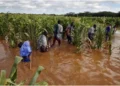
KITALE, Kenya – After months of unusually prolonged dry seasons that disrupted planting in the country’s maize-producing zones, the anticipated El Niño rains have begun in some parts of the country.
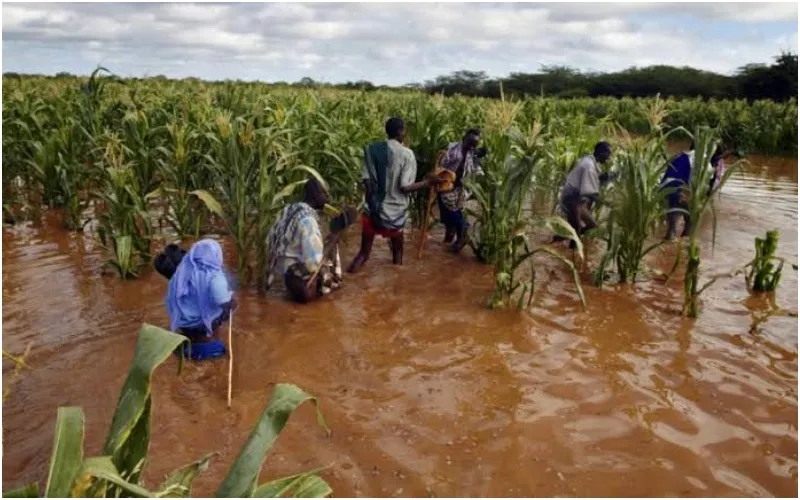
The dry months, which affected both the long and short rain seasons between April and July, saw many farmers counting losses after their crops withered. Some farmers opted to turn the remains into silage.
Farmers unable to plant despite returning rains
Speaking exclusively to News9.africa, Christine Barasa, President of Women in Coffee in Trans Nzoia County, said her losses were unbearable.
The retired teacher and maize farmer noted that she is still reconsidering the government’s plea to replant and take advantage of the El Niño rains.
According to Barasa, the financial burden of replanting is beyond her means, as she is yet to repay the seed and fertiliser loans she acquired during the initial planting season earlier this year.
“The rains are back. Maybe the little spared by drought will come up. Sioni nikipanda kiwango kikubwa, kwa sababu ya gharama. I replanted the three-month maize variety for my consumption. Until I repay my loans on the inputs, I cannot financially redo the whole process,” Barasa explained.
Barasa is among many farmers from Kitale in Saboti Constituency, who experienced huge losses and are currently planting for household consumption rather than for commercial purposes.
Loan repayment burden haunts farmers
Philip Matui, also a farmer in the county, said his biggest headache is how he will repay the loans he acquired. He noted that the return of the rains is not a joy to him, and like Barasa, he cannot replant.
“Currently I have no plans to go back to the farm. I owe the bank KSh 2.5 million that I used during the planting season. As much as I’m happy the rains are back, my biggest headache is how I will repay the loan, as we are not covered like our colleagues in the coffee sector,” Matui expressed his disappointment.
Matui is among farmers who supply over a million bags of maize to the National Cereal and Produce Board (NCPB).
Government assessment and response
During his assessment in the region in July, Agriculture PS Dr. Paul Ronoh said the move aimed to assess the losses farmers faced and explore how collaboration between the two can bring a win-win situation to help the country avert looming food insecurity.
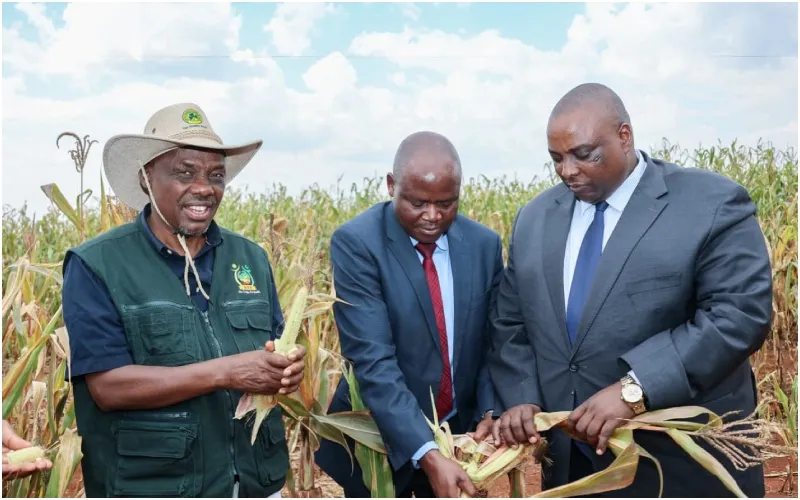
In August, the Ministry of Environment launched a program in food basket regions, including Trans Nzoia.
Speaking during the launch at Maridadi Primary School, Cabinet Secretary Dr. Deborah Barasa said the program is set to equip farmers in those regions with climate-smart farming skills to help them take advantage of the El Niño rains.
Barasa urged farmers to also plant short-season crops to help cushion the country against staring food insecurity, following massive maize failure caused by the unusual drought that the regions experienced earlier this year.
Following the drought, PS Ronoh said that North Rift and South Rift lost 20% and 30% respectively after the failure recorded on maize seeds.
Western region farmers’ light of hope
Kilometers away in Kakamega, Everline Andeso, a farmer, says the drought didn’t affect Western as they received rains, until August when the drought persisted. She, however, said she has planted for the second season. Her worry is the quantity of rains, which she said could affect the beans if the rains are heavy.
“I’m certain that this second season we will harvest. But my worry is if the rains are heavy, our beans in the farm will be destroyed. When the drought started, our crops had already matured. We were not affected. But counties like Trans Nzoia, Uasin Gishu and Bomet being affected is a threat to food security in the country,” she stated.
El Niño to Continue until February 2027
The El Niño rains are set to continue until February 2027, with other counties across Kenya already experiencing rains.
Forecasters have warned it is almost certain that this year’s El Niño will intensify into a very strong event in the coming months and last until February next year.








Discussion about this post