


KAMPALA, Uganda – The ruling National Resistance Movement (NRM) under President Yoweri Museveni has ordered an internet shutdown ahead of the Thursday, January 15, 2025, General Election.
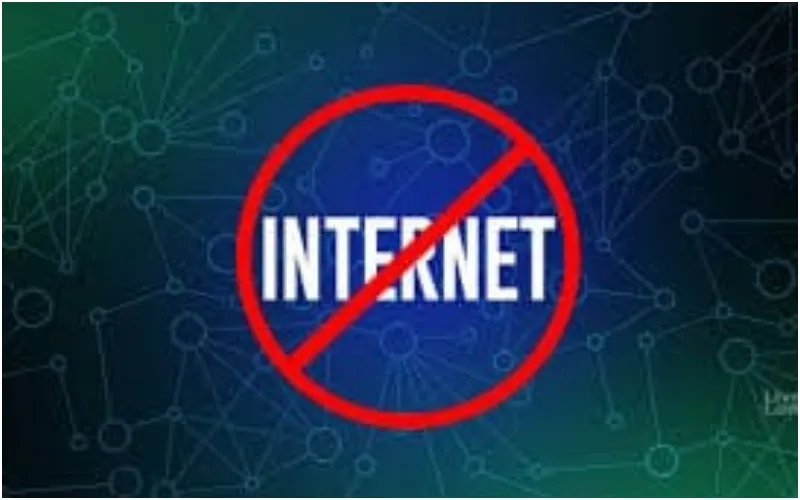
In a statement signed by the Uganda Communications Commission (UCC) Executive Director, Nyombi Thembo, the government said the move followed a “strong” recommendation from the Inter-agency Security Committee.
UCC directed all licensed Mobile Network Operators (MNOs) and Internet Service Providers (ISPs) to implement a temporary suspension of public internet access, sale and registration of new SIM cards and outbound data roaming services to One Network Area countries.
“This measure is necessary to mitigate the rapid spread of online misinformation, disinformation, electoral fraud and related risks, as well as prevent the incitement of violence that could affect public confidence and national security during the election period,” said Nyombi.
According to Nyombi, the suspension is effective Tuesday, January 13, 2025, at 6pm and will remain in force until a restoration order is issued by the UCC.
During this period, UCC directed that all non-essential public internet traffic must be blocked.
“Public internet traffic included, but was not limited to, social media platforms, web browsing, video streaming, personal email services, and messaging applications, among others. The suspension applies to Mobile Broadband (Cellular), Fibre Optic, Lessed Lines, Fixed Wireless Access, Microwave Radio Links, and Satellite Internet Services,” Nyombi further said.
Why has the UCC established a defined exclusion zone?
To safeguard public safety, critical national functions, and the operational integrity of communications infrastructure, Nyombi explained that a strictly defined exclusion zone has been established by the UCC.
“These exclusions permit continued access to essential services and systems required for network monitoring and management and are strictly for non-mobile internet services. If operators detect abuse of internet services by excluded services and systems, immediate suspension is required,” the Executive Director added.
The internet shutdown order comes barely a week after opposition leader and presidential candidate Robert Kyagulanyi Ssentamu, better known as Bobi Wine, called upon his supporters to download Bitchat from Google Play Store or Apple App Store ahead of the polls.
Bobi Wine, a pop star-turned politician, claimed that there were plans by the NRM regime to shut down the internet barely two weeks before the high-stakes elections.
“As we all know, the regime is plotting an internet shutdown in the coming days, as they have done in all previous elections. They switch off the internet to block communication and ensure that citizens do not organise, verify their election results and demand accountability over the massive election theft,” said Bobi Wine.
How will Bobi Wine’s supporters benefit from Bitchat?
According to Bobi Wine, who is contesting the presidential seat on his National Unity Platform (NUP) party ticket, Bitchat will enable Ugandans to communicate with thousands of people in record time.
“No internet connection is required. You will be able to send pictures of DR Forms and share any other critical information with specific or other users. No internet required. No sharing of phone numbers or email addresses. All you need to do is switch on Bluetooth and use the app,” he added.
Bobi Wine, who wears a bulletproof vest and helmet to campaign because President Museveni’s “regime has me as the main target”, directed his supporters to immediately download Bitchat from Google Play Store or Apple App Store – before the internet is switched off.
Meanwhile, Nyombi maintained that internet operators are prohibited from extending this loss or allowing any form of public bypass.
“Access to social media and message applications is strictly prohibited within the accessible service provider environments. Operators must submit to the UCC the whitelisted systems and service accounts corresponding to the exclusion list immediately upon implementation of this directive. Operators shall further ensure that mobile VPN services are disabled on their networks,” he ordered.
Any operator that shall not be able to implement the instruction according to Nyombi must shut down their internet infrastructure for the duration of this suspension. Non-compliance will attract severe sanctions, including fines and potential licence suspension.
Why is the United Nations concerned about the Ugandan elections?
According to a report from the United Nations Human Rights Office of the High Commissioner, the forthcoming elections in Uganda will take place in an environment marked by widespread repression and intimidation against the political opposition, human rights defenders, journalists and those with dissenting views.
The report highlights how the authorities have used a series of laws enacted or amended since the last election in 2021, entrenching repression and impunity, particularly against the opposition, and restricting the rights to freedom of expression, association and peaceful assembly ahead of the 15 January polls.
UN High Commissioner for Human Rights Volker Türk called on the Ugandan authorities to uphold the rights of all Ugandans to take part in the public affairs of their country.
“The Ugandan authorities must ensure all Ugandans can participate fully and safely in the election, as is their right under international law,” said Türk. “They must, among others, ensure that no unnecessary or disproportionate force, including lethal force, is used to disperse peaceful protests.”
Under international human rights law, firearms must only be used as a measure of last resort to prevent imminent death or serious injury.






Discussion about this post