


Africa’s oil refining capacity will increase by 2035, accelerated by investments in Dangote Refineries in Nigeria and Kenya, the International Energy Agency (IEA) report shows.
The continents oil refining capacity increases by 2.2 mb/d to 2035, which includes the expansion of the Dangote refinery in Nigeria, with capacity rising from around 0.7 mb/d in November 2026 to 1.4 mb/d by 2030.
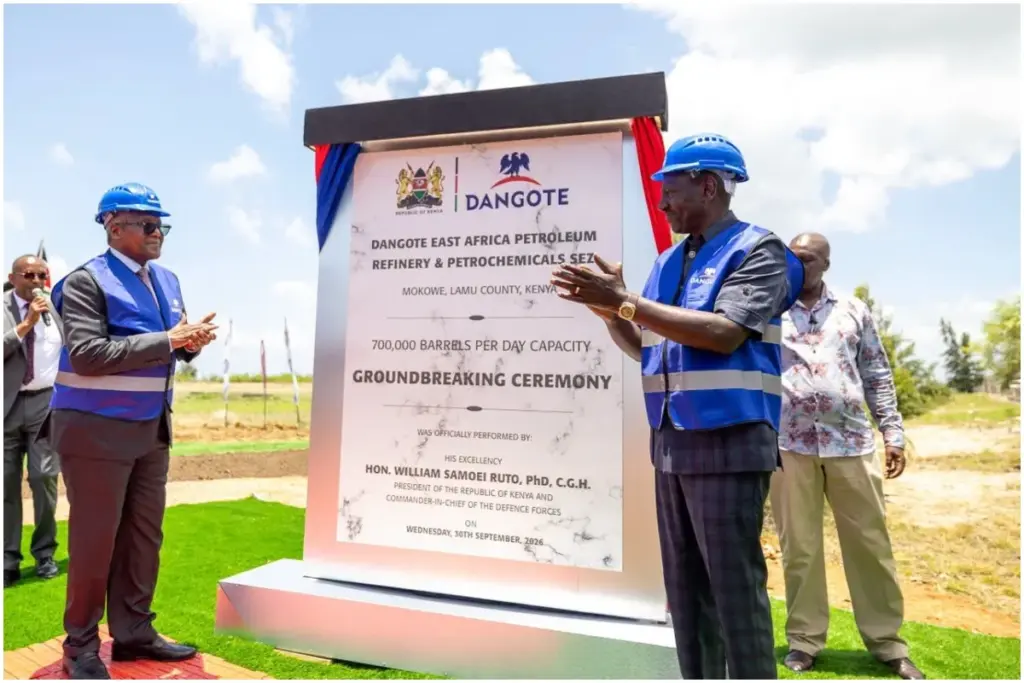
The report, dubbed World Energy Outlook 2026, showed that the Dangote Refinery in Lamu, Kenya, will add about 0.7 mb/d of oil capacity for the continent’s export market.
“Kenya’s Lamu Island project adds around 0.7 mb/d of flexible refining capacity geared towards export markets,” read the report in part.
Aliko Dangote invested approximately KSh 2.6 trillion in the East African Oil Refinery, whose construction began in September 2026.
The refinery is targeted to process up to 700,000 barrels of crude oil per day and generate up to 1,000 megawatts of electricity.
According to the IEA’s report, energy investment spending in Africa will increase to an annual average spending by 45%, with the average annual investment in solar and wind almost tripling.
Oil supply shocks and fuel prices
The report noted that the investments focused on near-term management of the 2026 sector crisis brought by shocks in oil and gas supply disruption due to the Middle East war.
“Oil remains the single largest energy source through to 2050, with demand for oil and gas rising, particularly in regions with abundant resources. Even though importers seek to develop new sources of domestic supply, supply growth remains concentrated in exporting countries, including those facing geopolitical or economic challenges today,” the report explained.
The report further anticipated a continued increase in fuel prices in 2027, citing rising oil demand and higher supply costs as key drivers.
In Kenya, Petroleum prices remained high over the past 11 months in 2026, with super petrol retailing at KSh 226.96 per litre, diesel at KSh 227.76 per litre and kerosene at KSh 219.87 per litre.
The Energy and Petroleum Regulatory Authority (EPRA) retained the prices after the government utilised KSh 4.6 billion from the Petroleum Development Levy Fund to stabilise the rising costs.











Discussion about this post