


Nairobi, Kenya – The government has initiated the process of selling its stake in the Kenya Pipeline Company (KPC).
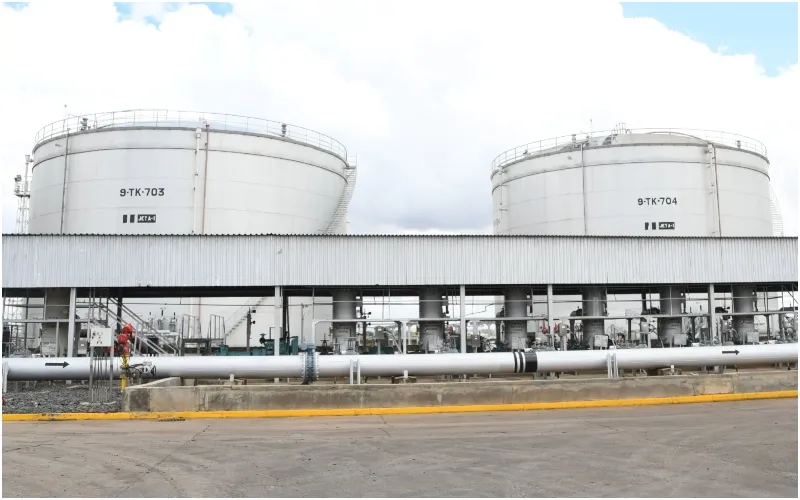
President William Ruto’s administration sought to list KPC on the Nairobi Securities Exchange (NSE) under an initial public offering (IPO) to raise funds for budgetary support.
On Tuesday, October 14, the Privatisation Commission issued a notice of the proposed privatisation of the firm, after approval of the method of privatisation on October 1, 2025.
The commission said that the transaction, expected to close on March 31, 2026, is aimed at raising funds budgeted for the financial year 2025/26, which is required to implement economic and social objectives.
Why Kenya is selling KPC
“In compliance with Section 25 of the Privatisation Act, 2005, the National Assembly has approved the privatisation of Kenya Pipeline Company (KPC) Limited through an Initial Public Offering (IPO) of shares on the Nairobi Securities Exchange (NSE). The expected closing date for the transaction is 31 March 2026,” said Faisal Abass, Chairman of the Privatisation Commission.
The budget for the fiscal year, which started on July 1, 2025, stood at KSh 4.29 trillion. Out of this, Kenya Revenue Authority (KRA) is tasked will collecting KSh 3.32 trillion in ordinary revenue for the period.
To raise the budget deficit, the Kenya Kwanza administration devised various ways, including the privatisation of KPC and other state firms, to reduce borrowing.
According to the notice from the commission, the proceeds from the sale of KPC will support critical development priorities, reduce reliance on borrowing and deepen Kenya’s capital market.
Other benefits include:
- Unlocking the company’s full potential while ensuring broad national benefits:
- Empowering ordinary Kenyans to own a stake in one of the country’s profitable and strategic enterprises, promote inclusive economic growth and strengthen transparency and corporate governance through stock exchange listing and regulatory oversight;
- Enhancing operational efficiency and innovation
- Balancing economic empowerment, national interest, and institutional modernisation in a manner that will benefit both the public and the economy at large.













Discussion about this post