


GENEVA, Switzerland – In the last hours of what was meant to be the final round of discussions, ministers in Geneva faced a historic decision after two years of Global Plastics Convention talks: either deliver a convention that addresses plastic pollution or give in to pressure from the petrochemical industry.
The negotiations ended in a glaring split: a sizable coalition of progressive countries calling for necessary reductions in plastic production was thwarted by a small group of petroleum-dependent states, who managed to thwart agreement despite holding a minority position.
Speaking after the loss of the historic opportunity for a second time since the Busan setback in December 2024, Hellen Kahaso Dena, Greenpeace Africa’s Pan-Africa Plastics Project Lead, blamed governments for putting their political and economic interests before people as the planet burns, oceans choke, and children breathe, drink and eat microplastics.
“This delay allows polluters to continue flooding the world with plastic, while frontline communities face the dire consequences of this crisis,” said Kahaso.
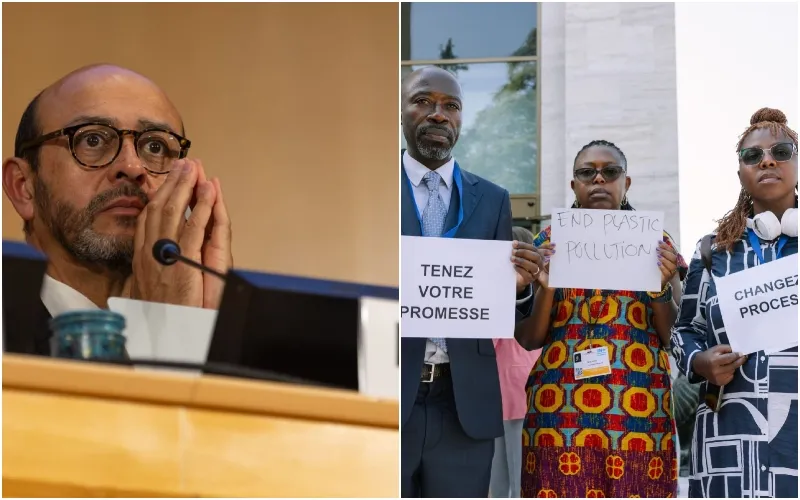
She, however, observed that the opportunity to secure a plastics treaty that protects our health, biodiversity and climate is still within reach.
“Member states need to up their game, step up with courage and deliver a treaty that cuts plastic production to alleviate our communities from the detrimental impacts of plastic pollution,” added Kahaso.
What the inability to reach an agreement in Geneva means
At the same time, Graham Forbes, Greenpeace Head of Delegation to the Global Plastics Treaty negotiations and Global Plastics Campaign Lead for Greenpeace USA, said the inability to reach an agreement in Geneva must be a wake-up call for the world: ending plastic pollution means confronting fossil fuel interests head-on.
“The vast majority of governments want a strong agreement, yet a handful of bad actors were allowed to use the process to drive such ambition into the ground. We cannot continue to do the same thing and expect a different result. The time for hesitation is over,” he explained.
Graham reiterated that the plastics crisis is accelerating, and the petrochemical industry is determined to bury us for short-term profits.
“Now is not the time to blink. Now is the time for courage, resolve and perseverance. The call from all of civil society is clear: we need a strong, legally binding treaty that cuts plastic production, protects human health, provides robust and equitable financing, and ends the plastic pollution from extraction to disposal. And world leaders must listen. The future of our health and planet depends on it,” Graham explained.
In talks about global plastic policy, this deadlock highlights the continuous conflict between pressing environmental demands and vested fossil fuel interests.
To secure a treaty that finally prioritises planetary health over petrochemical profits, policymakers are being urged to mobilise unprecedented public pressure on governments that are obstructing progress, elevate the voices of frontline communities that are suffering from the toxic burden of plastic pollution, and forge unwavering political resolve among champion nations.










Discussion about this post