


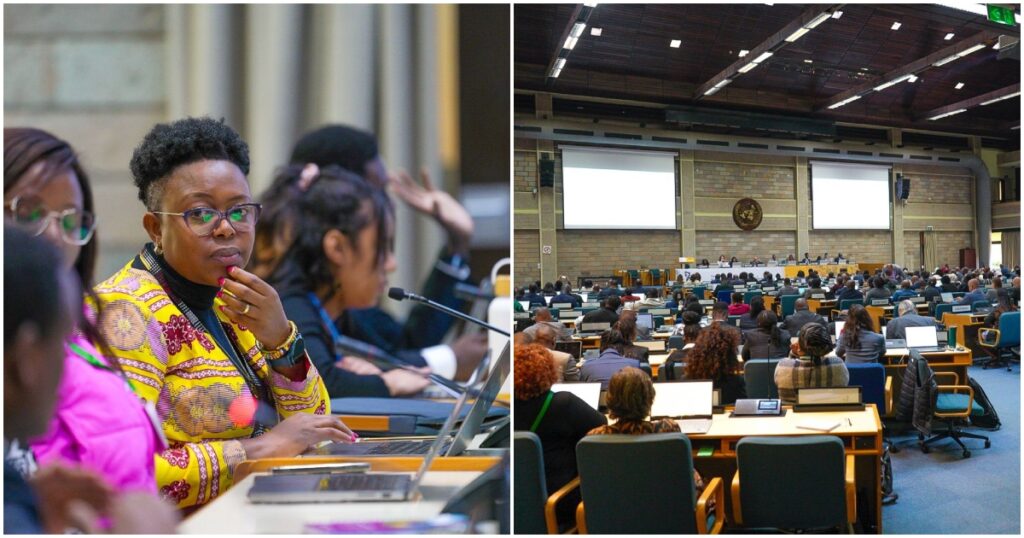
NAIROBI, Kenya – Greenpeace Africa is now calling upon African environmental ministers to show audacious leadership on the region’s and the world’s most pressing environmental issues as the African Ministerial Conference on the Environment (AMCEN) takes place in Nairobi.
AMCEN’s 20th session, which brings together ministers from all 54 African nations at a time when decisive action on plastic pollution, climate justice, and biodiversity loss is more critical than ever, is a landmark event for Africa’s united voice on environmental policy.
News 9 Kenya understands that Greenpeace Africa urges ministers to prioritise three critical areas:
1. Uphold Strong Plastics Treaty Commitment
African ministers must reaffirm the visionary leadership demonstrated at the AMCEN 19/2 Decision, which called for a legally binding Global Plastics Treaty addressing pollution across its entire lifecycle. With negotiations entering a critical phase at INC-5.2 in Geneva this August, any retreat from Africa’s strong position would undermine the continent’s unified voice and environmental goals.
Hellen Dena, Project Lead of the Pan African Plastic Project, stated that the plastic pollution crisis is disproportionately affecting African communities.
“From open burning and illegal waste dumping in low-income communities to the health threats of microplastics and toxic chemicals, it is often the most vulnerable that bear the brunt of this crisis. AMCEN must resist industry pressure and maintain its call for plastics production caps in the Global Plastics Treaty,” said Dena.
2. Make Polluters Pay
New polling data reveals overwhelming public support for making oil and gas corporations pay for climate damage. A Greenpeace-Oxfam study reveals that 81% of respondents across 13 African countries support taxing fossil fuel companies to fund climate recovery, with support reaching 85% in Kenya and 80% in South Africa.
According to Sherelee Odayar, oil and gas campaigner, AMCEN must champion reparations for climate damages and ensure that those who profited most from environmental destruction contribute to addressing the damage.
“This is not just environmental policy but a matter of justice for communities suffering the worst climate impacts,” added Odayar.
3. Protect Forests Through Direct Community Finance and Rights Recognition
As deforestation accelerates across the continent, AMCEN must commit to the implementation of deforestation action plans that center Indigenous Peoples and local communities with direct access to finance and recognition of their rights.
Dr. Lamfu Yengong, Greenpeace Africa’s Lead Forest Campaigner, said African forests are being decimated while those who have protected them for generations are sidelined.
“AMCEN must ensure direct finance and recognition of the rights of the Indigenous Peoples and Local Communities who are the most effective guardians of our biodiversity,” noted Dr. Lamfu.
News 9 Kenya also understands that Africa’s positions at key international forums, including INC 5.2, COP 30, and UNEA 7, will be significantly impacted by the outcomes of AMCEN.
To guarantee that African interests are not compromised in international negotiations, unity throughout the continent is crucial.
“Africa’s strength lies in its unity,” added Koaile Monaheng, Greenpeace Africa’s Pan African Political Strategist. “Our leaders must act with courage, not caution—with conviction, not compromise. The people of Africa are demanding action, and AMCEN must deliver.”








Discussion about this post