


NAIROBI, Kenya – Greenpeace Africa has taken issue with the planned construction of a 700,000-barrel-per-day oil refinery in Lamu County by Africa’s richest man, Aliko Dangote, with the support of the Kenyan government.
In a statement, Sherelee Odayar, Oil and Gas Campaigner at Greenpeace Africa, said the project threatens to damage one of East Africa’s most fragile coastal ecosystems while locking Kenya into a risky fossil fuel future.
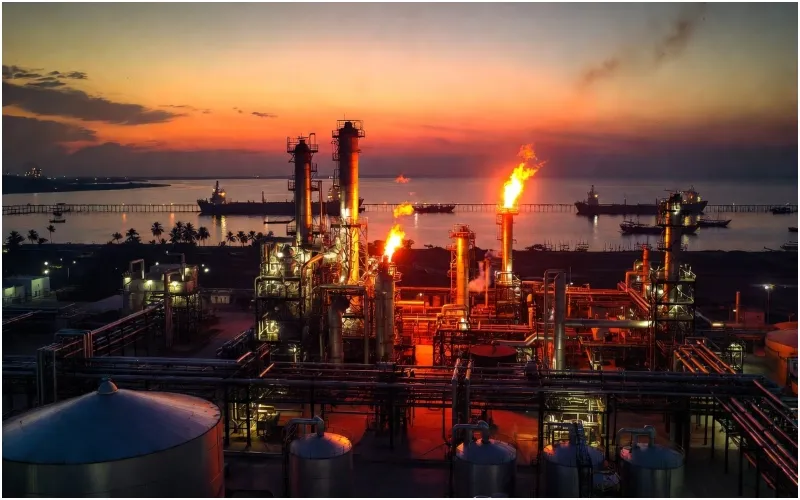
“Lamu’s mangroves, coral reefs and seagrass beds are not expendable; they support fisheries, livelihoods and coastal protection. A mega-refinery of this scale brings habitat destruction, marine degradation, oil spill risk and dangerous air pollution,” said Odayar.
The Nigerian billionaire and business magnate announced last week that Lamu Island, off the coast of Kenya, would be the ultimate site of his new oil refinery in East Africa.
Behind the true cost of a refinery plant investment
The facility is expected to transform not just Kenya but the entire region, according to project supporters. The facility is anticipated to grow into Africa’s second-largest refinery once it is operating.
“The promise of ‘thousands of jobs’ cannot be used to hide the true cost of this investment. Large fossil fuel projects often create temporary jobs while undermining existing livelihoods in fishing, tourism and small-scale local economies,” added Odayar.
According to Odayar, the refinery also risks becoming a stranded asset as the world moves toward cleaner energy.
“It would also lock Kenya into decades of carbon-intensive development, worsening climate change and its impacts. The enormous capital required for a project of this scale could instead help accelerate Kenya’s renewable energy future through solar, wind, geothermal, storage and better energy access,” Odayar further said.
How Aliko Dangote will finance the Lamu refinery project
The estimated cost of the ambitious project has not yet been disclosed by Dangote Industries Limited. But according to Bloomberg, the planned refinery might cost up to $17 billion (€15 billion) to develop, making it one of the biggest privately funded industrial projects in the area to date.
According to Reuters, Dangote Industries plans to finance the project with a combination of profits from the anticipated initial public offering (IPO) of Dangote Petroleum Refinery, bond issuances, and internally generated revenue.
However, Nigeria’s Securities and Exchange Commission declared that it has neither received nor authorised an IPO application, casting doubt on how far along the facility’s fundraising process is.
Dangote reportedly stated that anti-dumping safeguards will be necessary for any refinery project in East Africa in order to stop cheaper imported fuels from undercutting regional refining businesses.
Independent environmental and social impact assessment
But Leo Kemboi, an economist at the Institute of Economic Affairs Kenya, is concerned that this possibility might backfire.
“It’s a Kenyan thing. If Dangote receives too many [tax] incentives, it will not be acceptable to any Kenyan, as has happened with many other investments [before]. ” In Kenya, anything that appears suspect will ultimately fail; therefore, we resist when people believe you are either cornering the market or cheating.”
Oyadar maintains that no approvals should move forward without a full, independent environmental and social impact assessment, genuine public participation, and transparent scrutiny of the long-term economic, health and ecological risks.
In the statement, Greenpeace Africa is also calling for an immediate halt to approvals until an independent environmental and social impact assessment is completed, publicly released and subjected to meaningful public participation.
The lobby group further insists that any review must assess cumulative impacts on Lamu’s mangroves, coral reefs, seagrass beds and fishing livelihoods, alongside the wider economic risk of locking Kenya into costly fossil fuel infrastructure as the global energy transition accelerates.






Discussion about this post