


The International Monetary Fund (IMF) has reacted to the Ebora outbreak in the East African member states.
The Ebola outbreak 2026 was reported in the Democratic Republic of Congo (DRC) and later in the neighbouring country of Uganda.
Ebola outbreak economic impact
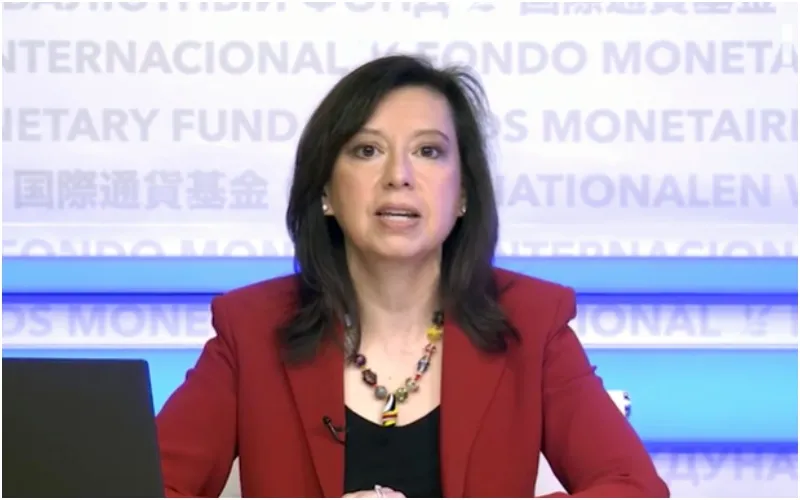
In a media briefing on Friday, June 5, IMF spokesperson Julie Kozack said the Fund is closely monitoring the situation and its potential impact on the economy.
Kozack noted that the health crisis is disrupting local activity, but it’s too early to assess broader macro effects.
“We are monitoring the situation, what is happening with the outbreak and also the potential economic impact – particularly in DRC, Uganda and South Sudan.
“When we look at the broad macroeconomic situation in the countries, it is too soon to really assess whether there is going to be broad consequences at the national or regional level,” said Kozack.
She revealed that the IMF is closely engaged with the authorities in the affected countries and other development partners to better understand the evolving situation and how it can be most supportive.
Ebola reported cases and response plan
This came as reports showed 129 confirmed cases, 1077 suspected cases, and 246 suspected deaths from the Ebola outbreak in DRC and Uganda as of May 27, 2026.
The World Health Organisation (WHO) and the Africa Centres for Disease Control and Prevention (Africa CDC) declared the outbreak a Public Health Emergency of International Concern and a Public Health Emergency of Continental Security (PHECS), respectively, to galvanise a coordinated response.
Meanwhile, WHO and Africa CDC launched a joint continental preparedness and response plan, aimed at raising $518 million (KSh 67 billion).
According to a press statement released on June 5, 2026, the money will support African countries together with partners to prepare for, rapidly detect and respond to the outbreak.
The plan will run from June to November 2026, bringing together governments, partners and communities under a unified ‘One Response’ approach.
“The only way to beat this outbreak is through close partnership, working together under the leadership of the affected countries in one coordinated effort, guided by a simple principle: one plan, one budget, one team,” said Dr Tedros Adhanom Ghebreyesus, WHO Director-General.








Discussion about this post