


Kenya is embarking on a new journey to diversify its tourism sector, this time by turning its gaze to the night sky.
Through a new astro-tourism initiative, the country aims to draw global visitors eager to experience its exceptionally clear and dark star fields.
Tourism already accounts for nearly 10 percent of Kenya’s GDP. Yet the industry faces challenges from shifting travel patterns, climate impacts and increasing competition. Officials believe that adding astro-tourism to the sector offers both a fresh appeal and essential resilience.
Kenya boasts some of the lowest levels of light pollution worldwide, per the Bortle dark-sky scale, making it ideal for stargazing even by global standards.
In recent years, destinations like Chile’s Atacama Desert, Namibia’s NamibRand Nature Reserve and parts of Iceland have attracted visitors with their pristine celestial views. Kenya now hopes to join that elite club.
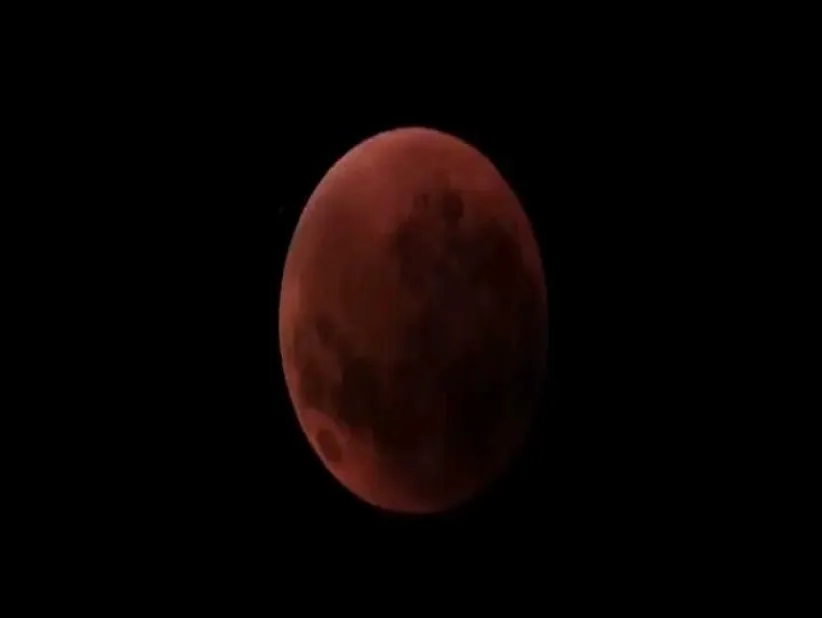
The initiative officially rolled out on September 7, 2025, in Samburu County, amidst a total lunar eclipse, commonly referred to as a blood moon. The event created a fitting backdrop for the announcement.
The Samburu Sopa Lodge, in partnership with Leo Sky Africa, already offers an astro-tourism package. Guests can stargaze, learn local celestial folklore and explore astronomy against a backdrop of sweeping savannah and minimal artificial light.
The “blood moon” enthralled audiences across Samburu with some foreign visitors thrilled by the phenomenon.
“It’s an amazing experience,” Kenyan visitor Stella-Maris Miriti, 35, told AFP.
“At first I thought it was not happening because the moon was dark… but at 8.30 the magic happened,” she added.
The tour operator had travelled up from Nairobi to see the “blood moon” away from the city’s lights.
A total lunar eclipse occurs when Earth moves precisely between the sun and the moon. Instead of going dark, the moon glows red, a result of sunlight refracting through Earth’s atmosphere. Blue wavelengths scatter, while red light bends and bathes the moon in a dramatic, coppery hue.
Although lunar eclipses occur every two to three years globally, they are visible from any given location only occasionally making them spectacular attractions.
As astro-tourism gains traction worldwide, Kenya’s offering stands out by blending dark-sky access with vibrant safari, culture and heritage experiences.
Chile, Namibia and Iceland have long championed astro-tourism; Kenya’s advantage lies in its mix of wilderness, storytelling traditions and infrastructure readiness.













Discussion about this post