


NAIROBI, Kenya – The Kenya Transporters Association (KTA) has sharply reacted to the increase in prices of petrol and diesel for the April to May 2026 cycle.
This is after the Energy and Petroleum Regulatory Authority (EPRA) announced the new fuel prices, putting an end to weeks of anticipation.
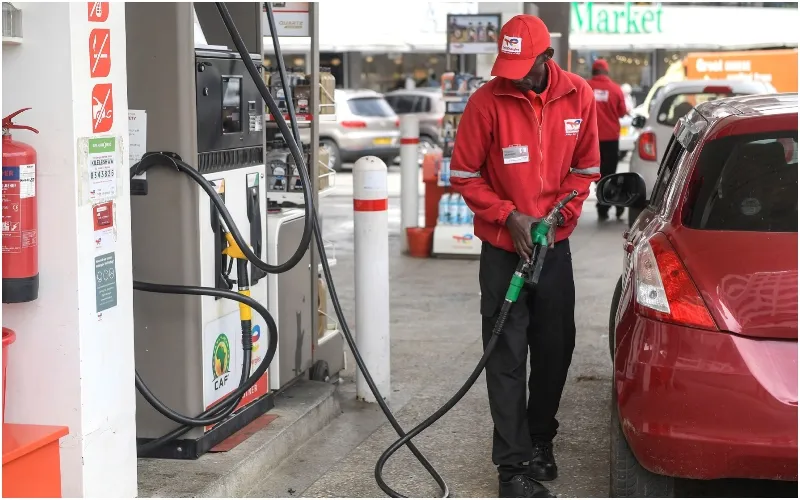
The maximum permitted petroleum pump rates for Super Petrol and Diesel have been raised by KSh 28.69 and KSh 40.30 per litre, respectively, in its most recent fuel review, which was published on Tuesday, April 14, 2026. The price of kerosene has not altered.
“We wish to inform members of today’s significant increase in diesel prices, which have risen by KSh 40 per litre, from KSh 163 to KSh 203 per litre, representing an increase of approximately 24.5%,” a statement from KTA reads in part.
In the statement signed by Newton Wang’oo, chairman, Kenya Transporters Association, on behalf of the board, members were reminded that fuel constitutes the single largest cost component in road freight transport, accounting for approximately 55% of total operating costs.
“In terms of cost impact calculations, transport cost increase (% (fuel cost share) is 24.5% by 55% = 13.5% (approximately),” added Wang’oo.
Why should transporters review their cost structures?
Wang’oo said that this translates to an estimated 13-14% increase in overall transport operating costs.
“Members are advised that such a substantial rise in input costs cannot be absorbed sustainably. It is therefore necessary for all members to immediately review their cost structures and adjust transport rates accordingly to reflect the new cost realities,” Wang’oo further said.
Members were further encouraged to engage their customers and contractual partners promptly and clearly communicate the basis for these adjustments to ensure transparency and continuity of service.
“The Kenya Transporters Association will continue to monitor developments in fuel pricing and remains committed to safeguarding the interests of transporters across Kenya and the wider region,” Wang’oo explained.
Meanwhile, to protect customers from the high landed cost of petroleum products due to increased international market prices, EPRA effectively announced that the Value Added Tax (VAT) rate for super petrol, diesel, and kerosene has been reduced from 16% to 13%.
How does the Kenyan government plan to protect consumers?
By using about Ksh6.2 billion to stabilise pump prices, the government will further protect consumers through the Petroleum Development Levy (PDL) Fund.
EPRA further clarified that the Super Petrol delivered by One Petroleum through the MT Paloma has not been included in the computation of the new fuel prices.
“We wish to reiterate that as per the earlier directive from the government, the Super Petrol delivered by One Petroleum ex MT Paloma has not been included in the computation of the applicable prices,” EPRA stated in its announcement.











Discussion about this post