


Nairobi, Kenya – Motorists have no reason to panic-buy petrol and diesel across the country.
The government dismissed reports on the fuel supply shortage in the country, following the ongoing war in the Middle East.
Enough fuel stock in Kenya
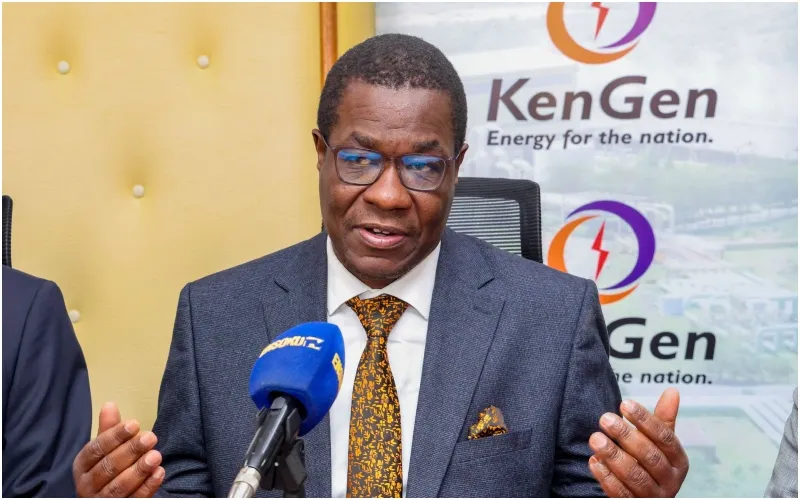
Speaking in Nairobi on Wednesday, March 25, Energy Cabinet Secretary Opiyo Wandayi urged Kenyans not to engage in panic buying, noting that the country has enough fuel stock.
“I would like to encourage Kenya not to engage in any mode of panic buying. As I have said, we have enough stocks in the country. And the government of Kenya’s primary responsibility is to ensure that we have enough stocks now, tomorrow, and into the future.
“There is no shortage of fuel in the country. Our systems, from importation through storage and pipeline distribution to the retail network, are functioning as required,” Wandayi emphasised.
Warning to oil marketers
Wandayi issued a stern warning to oil marketing companies (OMC’s) in the country, following concerns of imminent fuel hoarding in anticipation of price change.
“We call upon the public to remain calm and continue their normal purchasing patterns. We note, with grave concern, reports of product hoarding and speculative stockpiling by some oil marketing companies in anticipation of price movements. This conduct is commercially opportunistic, contrary to the public interest, and is in direct breach of licensing obligations,” he said.
The CS reminded all OMC’s of their legal obligation to maintain a continuous supply and release products at the gazetted prices.
He said that any unethical practices to take advantage of the current situation, the crisis unfolding worldwide, would invite very serious sanctions.
No warning from G2G partners
Wandayi noted that the government has not received any warnings of an oil supply shortage from its Government-to-Government (G2G) partners or the International Oil Companies (IOCs).
He revealed that the three companies (Saudi Aramco, Abu Dhabi National Oil Company & Emirates National Oil Company) have not indicated to the government of Kenya that they have problems meeting their contractual obligations.
“It must be understood that the framework agreements that the government of Kenya has with these IOCs do not restrict them to any particular part of the world from where they must source their oil. The Strait of Hormuz is just one pathway through which oil moves.
“These IOCs are well-established entities, corporate entities, with the capacity to source oil from anywhere else in the world, and have it delivered to us. So, there’s no cause for alarm, as far as the government of Kenya is concerned,” he assured.
Oil prices in Kenya
Currently, a litre of super petrol in Nairobi retails at KSh 178.28, diesel at KSh 166.54, and kerosene at KSh 152.78.
This followed the Energy and Petroleum Regulatory Authority (EPRA) retaining the prices in its last month’s review.











Discussion about this post