


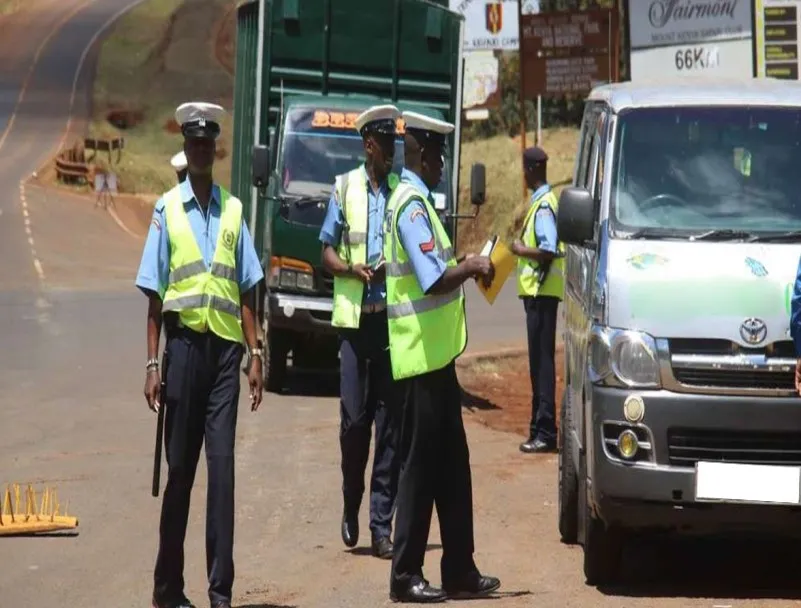
As schools prepare to reopen next week, the National Transport and Safety Authority (NTSA) has rolled out a comprehensive safety checklist aimed at protecting school children on the roads.
The campaign, dubbed Operation Watoto Wafike Salama, seeks to ensure that all vehicles transporting learners meet strict road safety standards.
According to the NTSA, all Public Service Vehicles (PSVs) involved in school transport must:
- Be roadworthy and have valid inspection certificates, road service licenses (RSL) and insurance documents.
- Have functional speed limiters actively transmitting data to the Intelligent Road Safety Management System (IRSMS) for real-time monitoring.
- Undergo proper servicing, with critical components such as brakes, tires, lights and side mirrors in full working condition.
Only vehicles that meet these requirements will be cleared to transport school-going children.
The checklist further emphasizes that:
- All drivers and conductors must hold valid licenses and PSV badges.
- Children must always wear seat belts and overloading will not be tolerated.
- No child or part of their body should be allowed to hang outside a moving vehicle.
In addition, operators have been directed to report any case of a child suspected to be under the influence of drugs or alcohol to the relevant authorities.
As part of the initiative, NTSA will conduct free motor vehicle inspection clinics for school transport operators.
The inspections will take place on Saturday, August 23, 2025, between 9:00 a.m. and 3:00 p.m., at all designated NTSA inspection centres across the country.
The free checks will be available in major towns, including Mombasa, Nairobi (Likoni Rd), Nakuru, Kisumu, Kakamega, Nyeri, Machakos, Embu, Kericho, Thika, Meru, Uasin Gishu, Kitale, Voi, Garissa and Nyahururu.
A special session for Kisii County will be held on Friday, August 22, a day earlier than other counties.
According to NTSA, the clinics aim to guide vehicle owners and school administrations on corrective measures needed to improve safety standards.
In its recent checks, NTSA identified major safety lapses in some school transport vehicles, including:
- Lack of installed or serviced speed limiters (contrary to KS 2295:2018 standards).
- Substandard interiors, such as ripped seats, unstable cushions, jagged seat edges and faulty sliding rails.
- Malfunctioning door locks that pose safety risks.
- Missing or defective seat belts and buckles.
NTSA has urged all operators to take corrective action immediately to ensure compliance.
With road accidents on the rise, the authority stressed that strict adherence to the safety checklist is crucial to safeguarding the lives of children.
By enforcing these rules and providing free inspections, NTSA hopes to foster a culture of responsible school transport operations and ensure that learners arrive at school safely as the new term begins.










Discussion about this post