


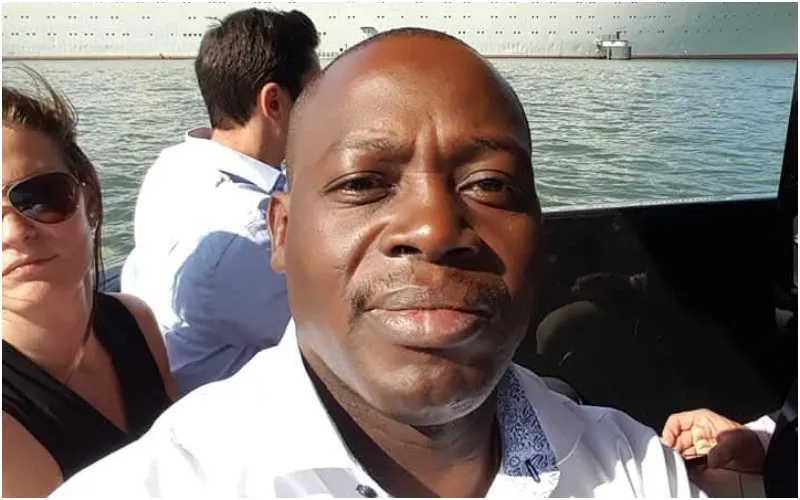
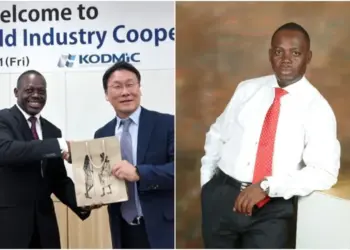
PORT LOUIS, Mauritius – In February 2026, Eng. George Okoth Oywer visited Mauritius to benchmark how a small region transformed itself from a mono-crop sugar economy into one of Africa’s most stable and prosperous nations.
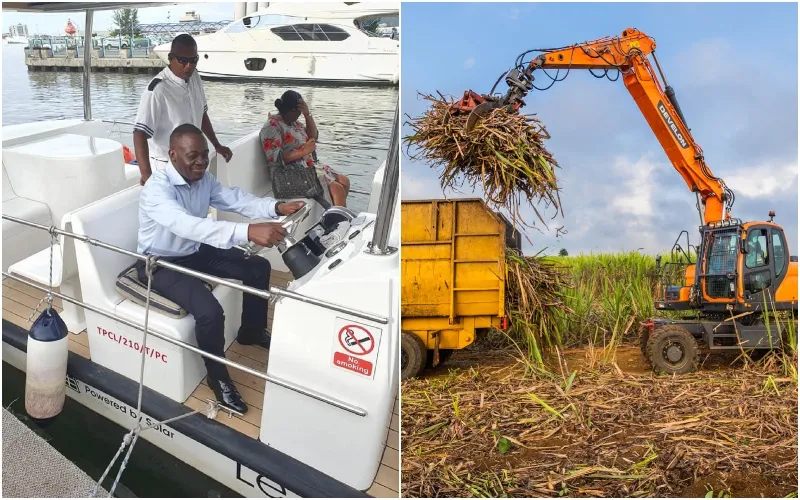
Mauritius is globally renowned as a luxury tropical paradise, famous for its pristine white-sand beaches, crystal-clear lagoons, and vibrant coral reefs. Beyond the coast, this Indian Ocean island is known for its dramatic volcanic landscapes, rich multicultural society, the historic, extinct dodo bird, and high-end hospitality.
However, in an exclusive interview with news9.africa, Eng. Oywer classified his visit to the island nation as not for leisure but a deliberate learning mission to understand how disciplined leadership, value addition, and strategic planning can convert local resources into sustainable wealth.
According to Eng. Oywer, who is eyeing the Uriri parliamentary seat in 2027, what he saw in Mauritius convinced him of one thing: Uriri Constituency has equal — if not greater — potential.
Eng. Oywer observes that from lush sugar fields to a rich economic powerhouse, Mauritius was once heavily dependent on sugarcane, just like many regions in Kenya.
“Instead of exporting raw sugarcane alone, they transformed the sector through value addition and diversification,” he says.
How the sugar sector is a game changer in Mauritius
Today, Eng. Oywer reveals that sugar in Mauritius supports refined and speciality sugar exports, molasses production, rum distilleries, ethanol production and electricity generation from bagasse (sugar waste).
“The sugar industry is not just farming — it is a value chain employing thousands across processing, packaging, logistics, export, research, and energy production,” he adds.
Eng. Oywer, a seasoned Development Advocate, describes employment success in Mauritius as incredible.
“Mauritius has one of the lowest unemployment rates in Africa — typically around 6–8% in recent years. This is because sugar became industrialised, not just agricultural. “Tourism created direct and indirect jobs, and small businesses were integrated into national value chains.”
Further, Eng. Oywer argues that youth in Mauritius were absorbed into hospitality, agro-processing, and other public and private sectors to offer different services.
“The least paid worker in Mauritius earns roughly USD 320–350 (KSh 41,000 – KSh 45,000) per month (minimum wage equivalent). That income level supports dignity because it is backed by a functioning system — stable payments, reliable infrastructure, and economic opportunity,” Eng. Oywer further explains.
news9.africa understands that sugarcane farming is a key economic activity in Uriri Constituency, Migori County, primarily servicing factories like Sony Sugar Company Limited, Sukari Industries, and Transmara Sugar Company.
What can Uriri learn from Mauritius’ sugar sector?
Eng. Oywer observes that due to its strategic location, there is a lot of potential in Uriri’s sugar sector. The sector faces challenges like low productivity (20-40 t/ac), delayed payments, poor infrastructure, and reduced food security due to land conversion.
“We sit strategically on the route towards the Maasai Mara National Reserve. We are located adjacent to Lake Victoria. We also boast of a rich culture, fertile land, a vibrant youth population, and entrepreneurial spirit. However, the difference is not resources; the difference is systems and leadership,” explains Eng. Oywer.
To fully exploit the sector, Eng. Oywer observes that there is a dire need to transform sugar from a crop to an industry.
“Currently, many farmers in Uriri sell raw cane and wait months for payment. That model traps farmers in poverty,” he laments.
However, Eng. Oywer states that Uriri can benefit by establishing modern sugar cooperatives, transparent digital weighing systems which will offer timely farmer payments, bulk fertiliser procurement and putting in place mechanised harvesting systems.
Eng. Oywer is also keen on local value addition, reiterating that instead of exporting raw cane only, Uriri can promote brown sugar packaging, jaggery production for health markets, molasses for livestock feed, ethanol blending and the large-scale production of bagasse briquettes for clean energy.
“Even small-scale processing hubs can create hundreds of youth jobs,” says the engineer.
How can sugar support Kenya’s electricity power generation?
In the same breath, Eng. Oywer singles out electricity production from sugar waste as a key aspect to driving the country’s economy.
“Mauritius generates electricity from bagasse (cane waste). That power is sold into the national grid. If South Nyanza sugar mills optimised co-generation, farmers could earn additional revenue, reduce the energy costs, and increase the creation of local job opportunities. It’s without doubt that Uriri could become an energy contributor. As an engineer, I know this is technically viable,” he assures.
Just like what’s happening in Mauritius, Eng. Oywer seeks to transform Uriri into a tourism stopover economic hub.
“Thousands of vehicles pass Oyani heading towards the Maasai Mara National Reserve, one of the world’s seventh wonders. But they do not stop in Uriri on their way,” Eng. Oywer regrets.
He adds that Mauritius built its economy around structured tourism — clean beaches, regulated facilities, cultural centers, and branded experiences.
“Uriri can develop through ensuring a clean, branded rest stop at Oyani. Establishing a Luo cultural heritage center, ensuring agro-tourism visits to cane farms, traditional homestead experiences, fishing and Lake Victoria excursions, and establishing local craft and food markets in the region,” he adds.
Why did Mauritius heavily invest in its infrastructure?
According to him, even if only 5–10% of these tourists on transit stop in Uriri, millions of shillings would circulate locally every month.
He further tells news9.africa that he is looking at the infrastructure first, then tourism, and then industry, following infrastructure.
“Mauritius invested heavily in roads, a clean environment, proper lighting systems, proper security, and an organised urban planning,” states Eng. Oywer.
Eng. Oywer maintains that the time has come for Uriri to prioritise tarmed link roads, ensure street lighting across all its trading centers, clean water systems and modern market facilities.
“Development is not theory — it is structure,” he adds.
On the aspect of education and skills, Eng. Oywer observes that Mauritius invested in a vibrant education and vocational training.
“Again, Uriri must equip youth with hospitality skills, promote agribusiness training, support small-scale entrepreneurs, and encourage technical skills development. It’s without doubt that jobs are created when skills meet opportunity. This is my vision for Uriri,” he explains.
What was the significance of the Mauritius trip to Eng. George Oywer?
Eng. Oywer discloses that his recent visit to Mauritius confirmed that small regions can rise when leadership is focused, resources are managed transparently, value addition replaces raw export, tourism is structured, and infrastructure is prioritised.
“Uriri does not lack potential. Uriri lacks coordination, systems, and economic planning. All these can change,” says the engineer.
Additionally, Eng. Oywer told news9.africa that the lessons from Mauritius prove that sugar alone does not create wealth, and tourism alone does not create wealth. “But value addition plus diversification plus discipline plus leadership is equivalent to transformation.”
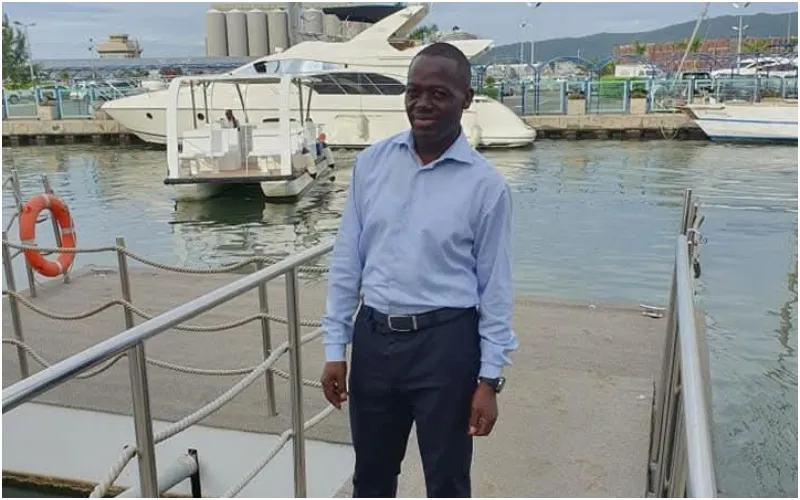
Against this backdrop, Eng. Oywer believes Uriri can become a modern sugar-processing hub, a tourism stopover economy, a youth employment center, and a model constituency in Kenya.
“Let it be on record that I did not visit Mauritius to admire it. Rather, I visited to learn. Now it is time to implement,” Eng. Oywer emphasised.







Discussion about this post