


URIRI, Kenya – “What is Africa’s most competitive economy? Is it oil-rich Nigeria? No. Perhaps South Africa, the continent’s mining powerhouse? Try again.”
These were the exact words of Eng. George Oywer, a leading aspirant for the Uriri Parliamentary seat in Migori County, in the August 10, 2027, General Election.
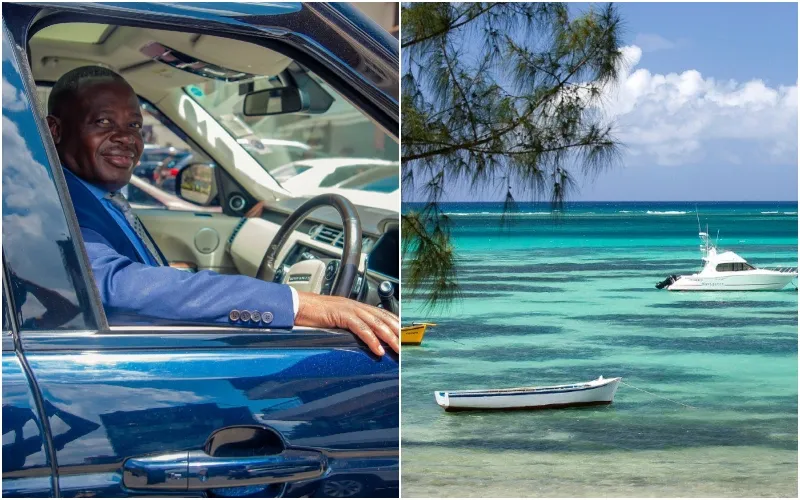
Eng. Oywer recently visited Mauritius, a world-renowned destination known for its pristine white-sand beaches, crystal-clear turquoise lagoons, and luxury resorts.
“Benefiting from a long history of political stability, a good governance record and an open and flexible regulatory system, Mauritius overtook South Africa last year to become the continent’s most competitive economy,” Eng. Oywer told news9.africa in an exclusive interview.
According to Eng. Oywer, the tiny island country, located some 500 miles east of Madagascar in the middle of the Indian Ocean, is regularly hailed as one of Africa’s success stories.
Mauritius’s political landscape
Eng. Oywer further said that since it gained independence in 1968, Mauritius has had an excellent record of peaceful transitions of power, with free and fair elections taking place regularly.
“Surrounded by stunning coral reefs, Mauritius spans less than 800 square miles and is home to over 1.3 million people — mainly an ethnically and religiously diverse mix of people of Indian, African, French and Chinese heritage,” Eng. Oywer added.
He explained that the country, dotted with green sugar cane fields, sparkling lagoons and jagged volcanic mountains, is well known for its perfect palm-fringed beaches and cobalt blue seas, attracting nearly a million tourists annually.
Calvo Cbs, a resident of Uriri Constituency, Eng. Oywer has emerged as a strong and consistent leader ahead of the 2027 Uriri MP race, earning widespread support through his visible commitment and active engagement with constituents.
“His campaign emphasises substantive policies, inclusive development, and genuine connection with the people, positioning him as a credible and results-driven choice for the constituency,” said Calvo.
Eng. George Oywer’s leadership skills
In contrast, Calvo observed that Eng. Oywer’s opponents have largely focused on reactive criticism and distractions rather than presenting clear alternatives.
“This distinction has reinforced public confidence in Hon. George Oywer’s leadership, as voters increasingly recognise his vision, integrity, and dedication to the progress and well-being of Uriri,” Calvo added.
Inside Mauritius’s rich tourism sector
Every year, one million tourists travel to Mauritius. The top tourist attractions in Mauritius include: The Seven Coloured Earth in Chamarel, Chamarel Waterfall, Le Morne Brabant mountain, and the botanical gardens.
Popular areas to stay include Grand Baie, Flic en Flac, and Trou-aux-Biches for beaches and nightlife, and Le Morne for scenic, high-end resorts.
Activities in Mauritius include Water sports (kayaking, diving), deep-sea fishing, catamaran cruises, and exploring local markets like Marche de Flacq.
Mauritius is known for its diverse culinary scene and festivals, including the vibrant Holi celebration.
The island offers a warm climate year-round, though June to October is cooler and suitable for avoiding peak heat.
What Uriri can learn from the Mauritius tourism sector
Additionally, just like what’s happening in Mauritius, Eng. Oywer seeks to transform Uriri into a tourism stopover economic hub.
“Thousands of vehicles pass Oyani heading towards the Maasai Mara National Reserve, one of the world’s seven wonders. But they do not stop in Uriri on their way,” Eng. Oywer regrets.
He said that following his tour of Mauritius, he learnt that the country built its economy around structured tourism — clean beaches, regulated facilities, cultural centers, and branded experiences.
“Uriri can develop through ensuring a clean, branded rest stop at Oyani. Establishing a Luo cultural heritage center, ensuring agro-tourism visits to cane farms, traditional homestead experiences, fishing and Lake Victoria excursions; and establishing local craft and food markets in the region,” he adds.
According to him, even if only 5–10% of these tourists in transit stop in Uriri, millions of shillings would circulate locally every month.











Discussion about this post