


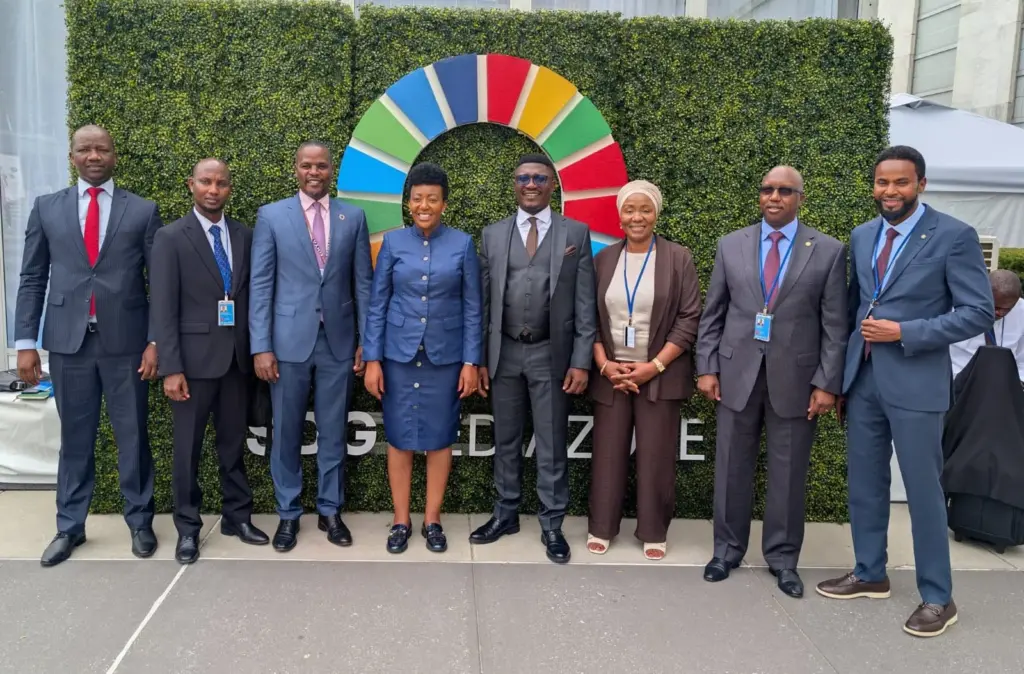
Kenya has urged the global community to prioritise drought within international policy frameworks, warning that the crisis is no longer just an environmental concern but a growing driver of human insecurity, forced migration and regional instability.
Speaking during a side event of the International Drought Resilience Alliance (IDRA), Principal Secretary Dr. Richard Ng’eno said the scale of the challenge demands urgent political commitment and stronger global collaboration.
“Drought is no longer just an environmental issue, it is a catalyst for forced migration, human insecurity and even regional instability,” Dr. Ng’eno said.
“Without political goodwill and decisive intervention, we risk seeing more conflicts, displacement and long-term socio-economic damage.”
He pointed to the United Nations Convention to Combat Desertification (UNCCD) 2025 drought outlook, which showed that millions across Africa and beyond were severely affected between 2023 and 2024. Kenya, he noted, experienced its worst drought in four decades between 2021 and 2022, resulting in the loss of about four million livestock and extensive human suffering.
Southern Africa has also borne the brunt, with the Southern African Development Community (SADC) reporting in August 2024 that 68 million people required food assistance due to drought.
To address the crisis, Dr Ng’eno proposed three key steps: developing global policy options such as a drought protocol under the UNCCD, scaling up advocacy to raise awareness among decision-makers and investing in research to strengthen evidence on the links between drought, migration and security.
He urged UNCCD parties to revisit discussions on a drought protocol at COP 17, calling it a “great achievement in rallying the global community to act decisively on drought.”
On IDRA’s role, the PS emphasized the alliance’s potential to transform drought resilience financing by providing seed funding, supporting countries in resource mobilization and partnering with key global institutions such as the Green Climate Fund (GCF), the Global Environment Facility (GEF) and the European Union (EU).
“Financial sustainability is key,” Dr. Ng’eno stressed.
“We must build the capacity of countries to mobilize resources while strengthening the IDRA secretariat to support this effort.”
He further called for sustained political engagement among IDRA members to ensure drought remains high on the global agenda. He recommended greater visibility of the alliance through regular forums, aligning its work with international and regional development priorities and establishing a clear strategic plan to attract private sector investment and long-term partnerships.










Discussion about this post