


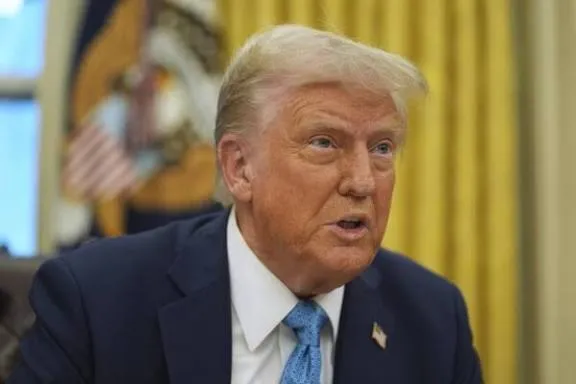
A high-stakes peace agreement between the Democratic Republic of Congo (DRC) and Rwanda is set to be signed in Washington, in a ceremony convened by US President Donald Trump. The deal aims to end one of Africa’s most enduring and deadly conflicts, even as fresh clashes continue to erupt in eastern Congo.
President Félix Tshisekedi of DR Congo and Rwanda’s President Paul Kagame are expected to endorse the agreement, months after their foreign ministers signed the initial accord in June, a moment Trump celebrated as a glorious triumph. The ceremony will bring together several African and Arab leaders, including those from Burundi and Qatar.
The signing comes at a tense moment. Fighting has again intensified in the mineral-rich east, where Congo’s army and the M23 rebel group continue to trade accusations over ceasefire violations. Congo’s military alleges that rebels, allegedly backed by Rwanda, have launched new attacks aimed at undermining the peace process. The M23 counters that government forces, supported by Burundian troops, initiated fresh air and ground assaults on their positions.
The M23 rebellion surged at the beginning of the year, capturing major cities including Goma and Bukavu, displacing hundreds of thousands, and deepening the humanitarian crisis. Although the group will not attend the Washington ceremony, it remains engaged in a parallel negotiation track brokered by Qatar.
Trump’s administration has positioned itself at the centre of the diplomatic push, framing the peace deal as a gateway to US investment in a region rich in cobalt, lithium, copper, tantalum and other minerals essential for electronics, electric vehicles, renewable energy technologies and defence systems. The US State Department has previously estimated Congo’s mineral reserves at an extraordinary $25 trillion.
“We’re getting, for the United States, a lot of the mineral rights from the Congo as part of it,” Trump said earlier this year while promoting the agreement.
Analysts, however, remain cautious. Bram Verelst, a researcher with the Institute for Security Studies, says the situation on the ground remains unchanged: “There is currently no ceasefire in place and the M23 rebellion continues to expand and consolidate its control. The signing ceremony is unlikely to alter this situation, though there is some small hope it could increase accountability on Congolese and Rwandan leaders to honour their commitments.”
The peace deal commits both countries to addressing long-standing grievances. Rwanda has demanded the disarmament of the FDLR, a militia linked to the 1994 genocide. DR Congo, meanwhile, insists on the withdrawal of Rwandan troops from its territory, an issue that has derailed previous peace attempts dating back decades.
Despite Qatar and the US jointly steering the mediation efforts, major obstacles persist. Congo’s government says it will not advance broader economic cooperation such as the proposed collaboration on hydropower, mining and infrastructure until Rwandan forces pull back. The M23 has also refused to hand over the territory it controls, further complicating the negotiations.
As the world watches Washington’s diplomatic theatre, many in eastern Congo remain unconvinced. The region’s main hub, Goma, has been under rebel control since January and fresh attacks were reported this week in villages near Uvira, close to the Burundian border. For millions affected by cycles of violence, the signing ceremony offers a glimmer of hope but little certainty.
Whether the Washington deal delivers lasting peace will depend not on the symbolism of a handshake, but on the willingness of all actors including rebels, regional armies and international allies to implement the commitments on paper.







Discussion about this post