


NAIROBI, Kenya – For banana growers impacted by bacterial wilt disease, a subtle but profound change in Kenya’s agricultural landscape is creating new avenues for creativity and optimism.
Gene-edited banana events created by Kenya’s International Institute of Tropical Agriculture (IITA) are not considered genetically modified organisms (GMOs) because they do not contain any foreign genetic material, according to a historic ruling by the National Biosafety Authority (NBA).
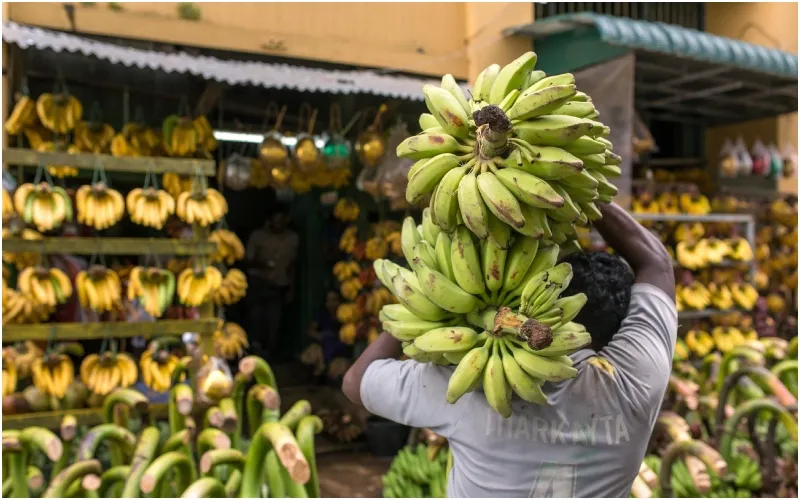
This decision makes it possible for the enhanced gene-edited bananas to proceed through traditional research channels, which is a significant step toward permitting the application of contemporary breeding technology.
What is Banana Xanthomonas Wilt (BXW)
In light of this explanation, the NBA has authorised field testing of the enhanced banana lines created to fight Banana Xanthomonas Wilt (BXW), a deadly disease that still poses a threat to banana production and the livelihoods of East African farmers.
The new gene-edited bananas are made to withstand the disease without sacrificing robust development or yield.
In collaboration with the Kenya Agricultural and Livestock Research Organisation (KALRO), IITA will carry out the field trials, which will concentrate on agronomic performance and resistance to BXW in field settings.
“This is a major step forward not just for banana research but for agricultural innovation,” said Dr Leena Tripathi, Eastern Africa Hub Director and Principal Investigator leading the work. “It shows that science-based, proportionate regulation can enable the development of practical solutions for farmers.”
The ruling demonstrates Kenya’s dedication to a regulatory framework that is supportive of science. The nation is promoting innovation while upholding strict biosafety regulations by differentiating gene-edited crops lacking foreign DNA from conventional GMOs.
The way forward after authorisation
Once authorised, the study transitions from the lab to the field. Strictly for research purposes, the trials will produce vital information about how well the enhanced bananas perform in actual farming environments.
“The opportunity to evaluate these bananas in the field is a critical step,” Dr Tripathi noted. “Our goal is to develop improved crop varieties that farmers can rely on—helping to boost production and strengthen resilience.”
The stakes are high for farmers in the area. With few long-term control options, BXW is still one of the most damaging banana diseases. A viable and long-term solution is provided by the creation of resistant cultivars.
In a broader sense, this milestone represents growing confidence in gene editing as a useful tool for crop improvement in Africa, establishing a significant precedent that may hasten the development of resilient crops and bolster food security in the coming years.







Discussion about this post