


NAIROBI, Kenya – One in three community health promoters (CHPs) working in Nairobi’s informal settlements is experiencing symptoms of anxiety, as heavy workloads, inadequate stipends and the financial demands of helping vulnerable households take a toll on their mental health.
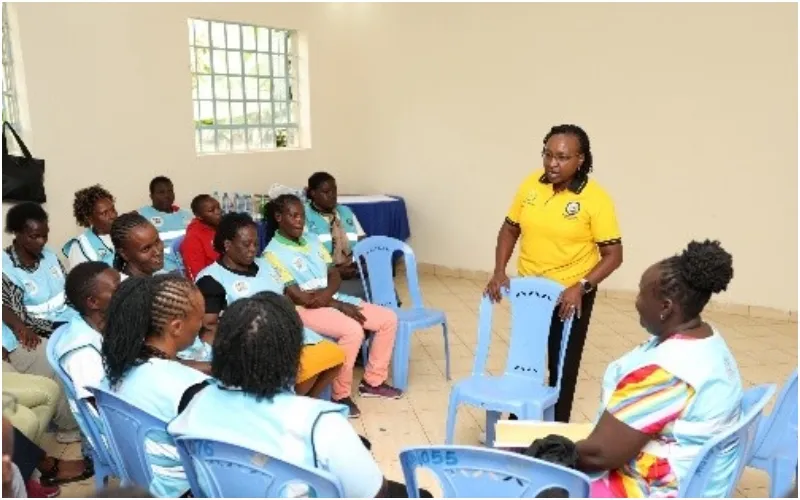
A study by the SHINE research consortium found that 33.8% of CHPs surveyed in Nairobi had symptoms of anxiety, while 26.4% had symptoms suggestive of depression. In Kiambu County, the corresponding figures were 18.9% and 8.2%, respectively.
The findings, drawn from a survey of 1,236 CHPs in Nairobi and Kiambu counties, pointed to the pressure facing frontline health workers who are expected to support communities while dealing with their own financial and personal challenges.
Stephen Mulupi, head of research at LVCT Health, said CHPs often go beyond their official duties to assist households facing difficulties, sometimes using their own money to meet immediate needs.
“CHPs are seen as the biblical good Samaritans. They are not paid but receive stipends of KSh 2,500 from the national government and another KSh 2,500 from the county government. At times, they face households facing challenges, and they end up reaching into their pockets to help out.
“The community has high expectations of them, and there is pressure to meet programme and reporting targets, which at times drains them mentally,” he said while presenting the SHINE findings during a health media immersion forum attended by News9.africa.
According to the SHINE policy brief released in April 2026, between 93 and 97% of the CHPs surveyed said their stipends were inadequate or unfair.
Between 92 and 94% also reported regularly spending their own money on transport, airtime and medical costs for community members they refer for care.
Kenya had deployed about 107,000 CHPs by 2023, with each expected to serve approximately 100 households. Their responsibilities include health promotion, screening, prevention and referring people to health facilities.
However, the research found that the demands of the role frequently extend beyond the official expectations, with some CHPs working into the evening, responding to late-night calls and supporting patients through referrals to health facilities.
Omoth Oburu, senior technical adviser – Community health at LVCT Health, said the geographical areas CHPs must cover also contribute to the strain, particularly where workers have to walk long distances or pay for motorcycle transport to reach households.
The study also identified safety concerns among female CHPs, who reported sexual harassment during household visits. Some said they lacked safe channels through which to report such experiences.
The pressure is compounded by limited support and supervision. The report found that some community health assistants responsible for supervising CHPs oversee far more workers than the recommended ratio, leaving little room to address their emotional wellbeing alongside performance targets.
The effects are reflected in how CHPs cope with their responsibilities. According to Ohuru, 55% of respondents in Nairobi reported using healthy coping mechanisms, compared with fewer than 18% in Kiambu County.
The report identified peer-support groups, family relationships, faith and digital networks as some of the ways CHPs manage stress. However, some workers also reported withdrawing from others, remaining silent about harassment or using their personal finances to fill gaps in the health system.
For Roselyn Gacheri, a CHP in Viwandani, the experience of supporting people facing health challenges can be emotionally demanding.
Gacheri told News9.africa her motivation comes from her passion for the work and seeing improvements in the mental wellbeing of the people she serves.
“I can say after SHINE, I see myself lighter than before. Earlier I used to carry all the patients’ burden but now I know I have to deal with one thing at a time,” Gacheri said.
Her experience points to the importance of helping CHPs recognise the emotional weight of their work and develop ways to manage it without feeling personally responsible for solving every problem they encounter.
Health stakeholders are now calling for practical measures to protect the wellbeing of community health workers, including reliable compensation, better working tools, stronger supervision and access to mental health support.
Caroline Kabiru, a research officer at the African Population and Health Research Centre (APHRC), urged the government to ensure timely payment of stipends, introduce structured mental health awareness programmes for CHPs and their supervisors, and provide adequate tools, transport and other logistical resources.
The SHINE consortium developed a four-part intervention package that combines mental health awareness, a peer-led self-care programme, improved supervisory support and motivational text messages linked to local mental health services. The package is being piloted with 500 CHPs and 50 community health assistants.
The researchers recommend integrating mental health and wellbeing into routine community health services, alongside establishing confidential reporting channels for harassment and formal peer-support structures.
They also call for county governments to pay stipends on time and in full, review their adequacy against the actual costs workers incur, and ensure that CHPs are not assigned duties outside their official responsibilities.












Discussion about this post