


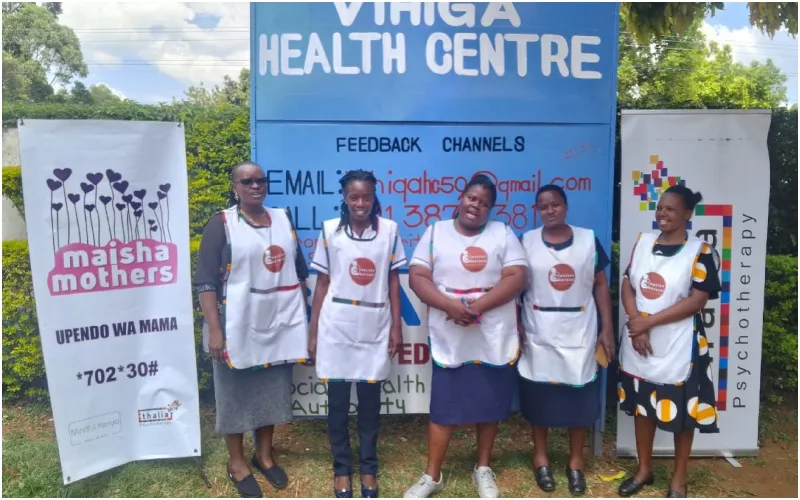
VIHIGA, Kenya – In Vihiga County, Maisha Mothers, with support from the Albert Schweitzer Foundation, is working to ensure mothers who experience stillbirth receive the emotional support they deserve.
For most mothers, leaving the hospital after childbirth is a moment of joy. There is a baby to hold, relatives waiting at home and a new chapter to look forward to.
But for a mother who has experienced stillbirth, that journey home can be one of the most painful moments of her life.
She may have spent months preparing for her baby’s arrival. There may be clothes, blankets and a name already chosen. Then, suddenly, she must return home without the child she had been expecting.
The physical pain of childbirth may slowly fade, but the emotional pain can last much longer. And too often, mothers are expected to deal with it quietly.
A painful reality for thousands of Kenyan mothers
Stillbirth remains a major maternal health challenge in Kenya.
According to estimates from the United Nations Inter-agency Group for Child Mortality Estimation, approximately 24,798 babies were stillborn in Kenya in 2023. That is about 68 babies every day.
Behind each number is a family dealing with loss.
While much attention is given to preventing stillbirths and ensuring safe deliveries, the emotional wellbeing of mothers after losing their babies does not always receive the same attention.
Some women experience prolonged grief, anxiety, depression or emotional trauma. Others struggle with guilt, isolation and difficult questions from relatives and neighbours.
Well-meaning comments such as “you can always try again” can sometimes make the pain worse.
The truth is that losing a baby is not something a mother can simply forget.
A partnership bringing hope to Vihiga
In Vihiga County, Thalia Psychotherapy, through its Maisha Mothers programme, is working with the Netherlands-based Albert Schweitzer Foundation to change how mothers receive care after stillbirth.
The foundation is supporting an initiative called Healing After Loss: A Stillbirth Support Pathway in Public Clinics.
The project seeks to make emotional support part of the healthcare mothers receive following pregnancy loss.
Rather than leaving a mother to find help on her own, the initiative is designed to bring support closer to her through the health facilities and healthcare workers she already knows.
Nurses and other healthcare professionals will be equipped to recognise emotional distress and provide immediate support.
Mothers will also receive follow-up contact within seven days, including through phone calls or text messages. Those needing additional care will be referred to professional counsellors.
The idea is simple: medical care should not end without considering the emotional wellbeing of the mother.
Why this matters
A mother who has lost her baby may leave hospital physically stable but emotionally overwhelmed.
She may struggle to sleep, withdraw from friends or become anxious about future pregnancies. Even visiting a maternity clinic again can bring back painful memories.
With the right support, mothers can find a safe space to talk about their experiences, understand their feelings and receive professional care when needed.
The project also recognises that healthcare workers need the knowledge and tools to respond with compassion.
For Thalia Psychotherapy, which has been working to integrate mental healthcare into everyday health services, the initiative is another opportunity to make maternal mental health support more accessible.
The project is championed by Mercy Mwende, a psychologist and Chief Operating Officer at Thalia Psychotherapy, who has been recognised by the Albert Schweitzer Foundation as a health pioneer for her work in maternal mental healthcare.
Taking the conversation to the community
The initiative is also receiving attention ahead of a maternal health outreach in Vihiga County, where approximately 3,000 mothers are expected to access various health and wellbeing services.
Through Maisha Mothers, Thalia Psychotherapy will use the gathering to create awareness about stillbirth and encourage families to support mothers who have experienced pregnancy loss.
The goal is not to make grieving mothers relive their pain publicly. It is to remind communities that they deserve compassion, understanding and continued care.
Making a lasting difference
The partnership between Thalia Psychotherapy and the Albert Schweitzer Foundation shows how locally developed solutions, backed by international support, can respond to challenges that are often overlooked.
By working through existing public health facilities, the project has the potential to provide useful lessons for other communities in Kenya and beyond.
For mothers who have experienced stillbirth, a little compassion can make a meaningful difference. It may begin with a nurse who listens, a counsellor who understands or a simple phone call asking how a mother is coping.
Because losing a baby should never mean losing the care and support that a mother needs.









Discussion about this post