



New York, USA – As world leaders prepare for the 80th session of the United Nations General Assembly (UNGA) from 22-26 September 2025, the global financial architecture could take centre stage.
Amid a packed agenda entitled “Better together: 80 years and counting for peace, development and human rights”, the high-level week provides an important window for such discussions.
UN Secretary-General António Guterres has stressed that the meeting “offers every opportunity for dialogue and mediation” – a sentiment that advocates of financial reform hope will translate into concrete action.
“We are gathering in turbulent times, but this is an opportunity we cannot miss. UN week offers every possibility for dialogue and mediation.”
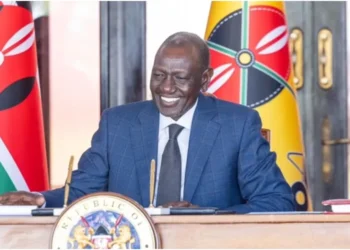
Kenyan President William Ruto’s passionate call for a radical overhaul of the global financial system would gain traction after loudly championing the cause of developing countries, as the current financial architecture is stacked against them.
For President Ruto, this is an excellent opportunity to spread a message he has been refining at various international forums.
His stance was emphasised at the recent African climate summit in Addis Ababa under the motto “Breaking the Vicious Cycle: Debt, Nature and Climate”
Ruto did not mince his words, declaring that the “current international financial architecture has increasingly become a new form of colonialism”
He argued that the system “penalises poor countries with high interest rates, while rich countries are rewarded with very low interest rates”, trapping developing countries in a crippling cycle of debt and dependency.
“We will not remain silent until this unjust financial architecture is reformed… we demand a fair and equitable financial order that gives every country a chance to prosper,” said Ruto.
This determined push comes amid a complex global geopolitical situation. According to geopolitics and geoeconomics analyst Aly Khan Satchu, President Ruto is likely to “use this valuable platform to push for his ‘fairer global financial platform’ and in particular some debt restructuring of the continent.”
However, the way there is fraught with challenges. Satchu pointed to a significant headwind: the “departure of Western countries from their positioning on the continent”, which is translating into aid cuts and forcing African countries to bear a greater share of the burden as Western budgets focus on defence.
Furthermore, he noted that the global stage is crowded with competing crises.
“Faced with a world in turmoil, the president will have to make his case with a lot of energy because outside of Ukraine and Israel, there seems to be a unique lack of bandwidth,” Satchu told News 9 Kenya in an exclusive interview.
Despite these obstacles, the UNGA platform, particularly with its focus on renewing multilateralism and financing for development, provides a unique forum.
The session includes a “biennial summit for a sustainable, inclusive and resilient global economy”, a venue tailor-made for the very issues President Ruto is championing.
His success will depend on his ability to build a powerful coalition among the countries of the Global South and cut through the noise of other pressing world events to make the case that global stability is impossible without economic justice.





Discussion about this post