


Kenya has announced plans to make sickle cell screening mandatory during routine maternal and child health visits, in a bid to curb the high mortality rate linked to the disease.
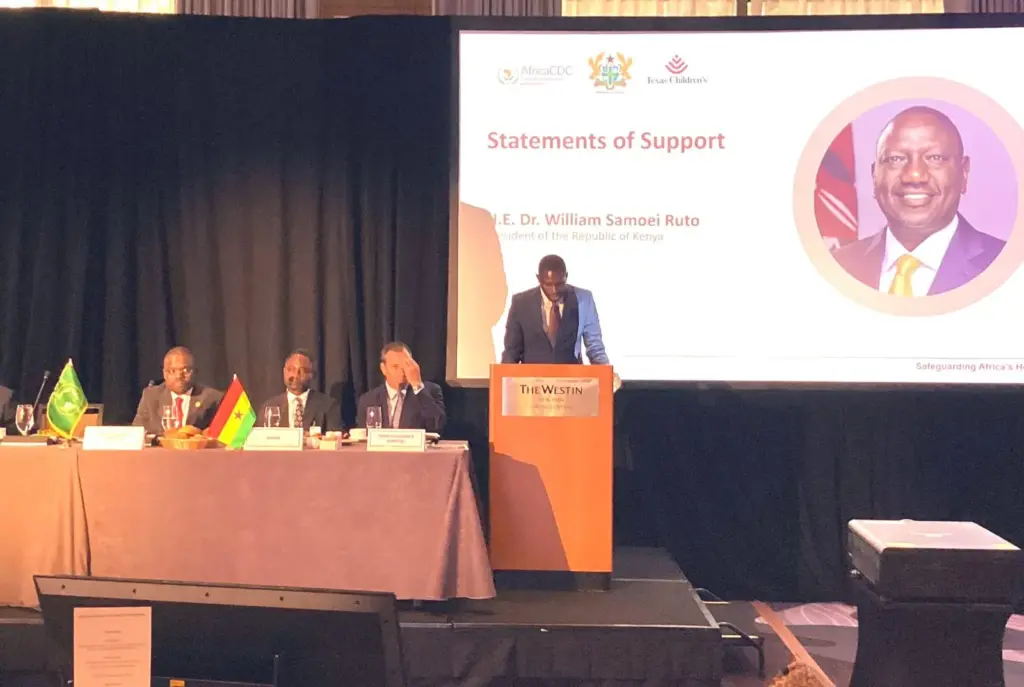
The announcement was made by Principal Secretary for Medical Services, Dr Ouma Oluga, who represented President William Ruto at a high-level meeting on sickle cell disease during the 80th United Nations General Assembly in New York.
Dr. Oluga described sickle cell as a neglected health crisis, noting that about 14,000 children are born with the condition every year in Kenya, with up to 90 percent dying before the age of five if undiagnosed.
“Millions of Africans continue to suffer in silence and many die painful, preventable deaths,” he said.
The PS pointed to progress made through policies such as the National Guidelines for the Prevention and Management of Sickle Cell Disease (2021) and the Policy Guidelines for Infant Screening (2023), which have already institutionalised early detection and care.
To remove financial barriers, the government has created three new health funds: the Primary Healthcare Fund, the Social Health Insurance Fund and the Emergency, Chronic and Critical Illness Fund to support routine care for sickle cell patients.
“These funds are designed to guarantee routine care for sickle cell patients without the burden of out-of-pocket costs,” Dr Oluga said.
The meeting, convened by the Africa Centres for Disease Control and Prevention (Africa CDC), brought together ministers, policymakers and global health leaders to push for stronger continental and international action against sickle cell disease.
Kenya’s new policy is expected to place the country among the first in Africa to make screening compulsory at the maternal and child health level, a move health experts say could drastically reduce preventable deaths.








Discussion about this post